Explore a Landmark Case that Shaped American Justice
The U.S. Civil Rights Trail is a collection of more than 100 landmark sites across 15 Southern states that played a pivotal role in the fight for social justice, equality, and the expansion of civil rights during the 1950s and 1960s. From churches and courthouses to schools, museums, and public gathering places, each location tells a powerful story about the people and moments that moved the nation forward. Panama City is proud to be included on this historic trail.
A Pivotal Legal Moment at the Bay County Courthouse
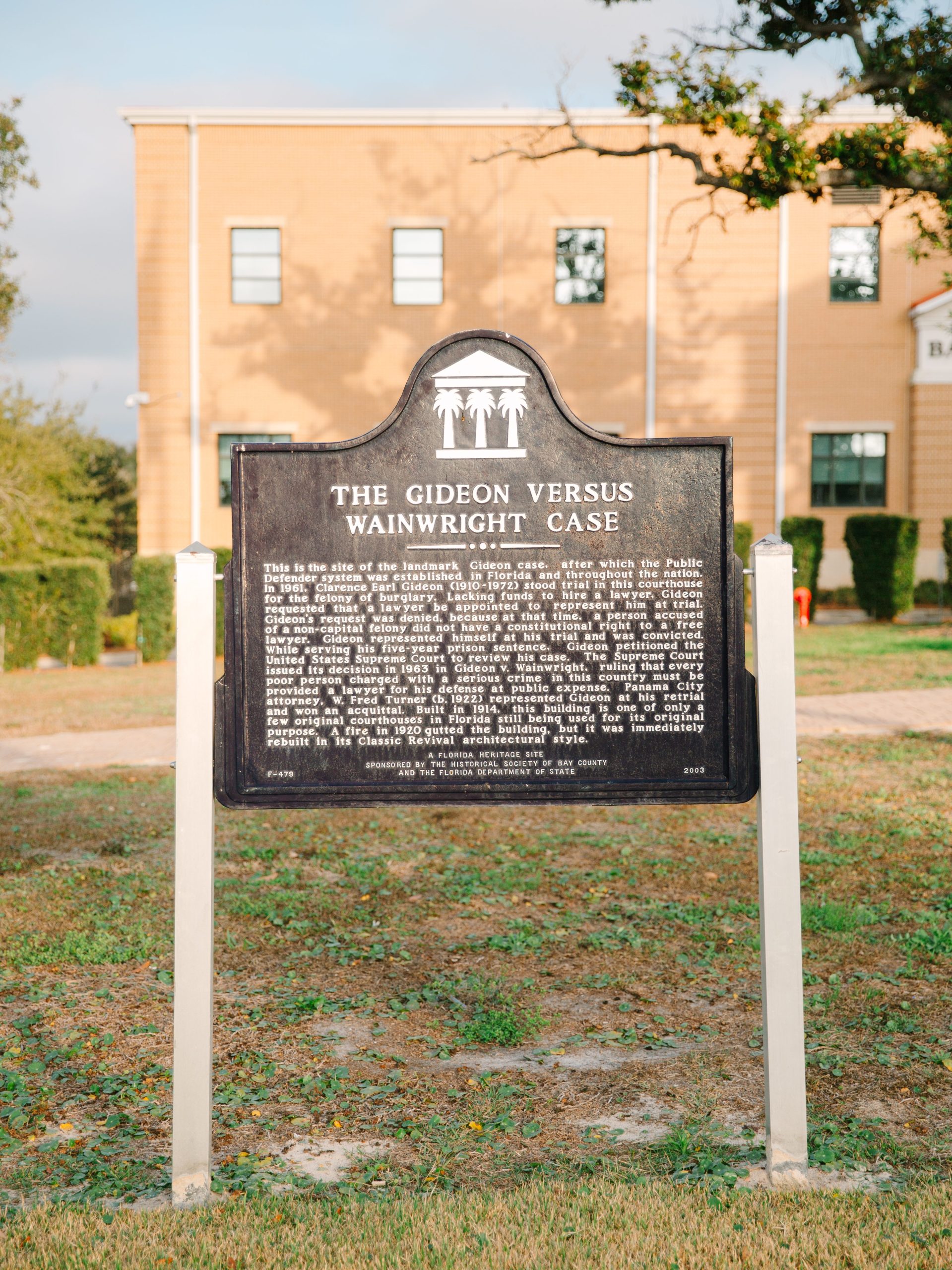
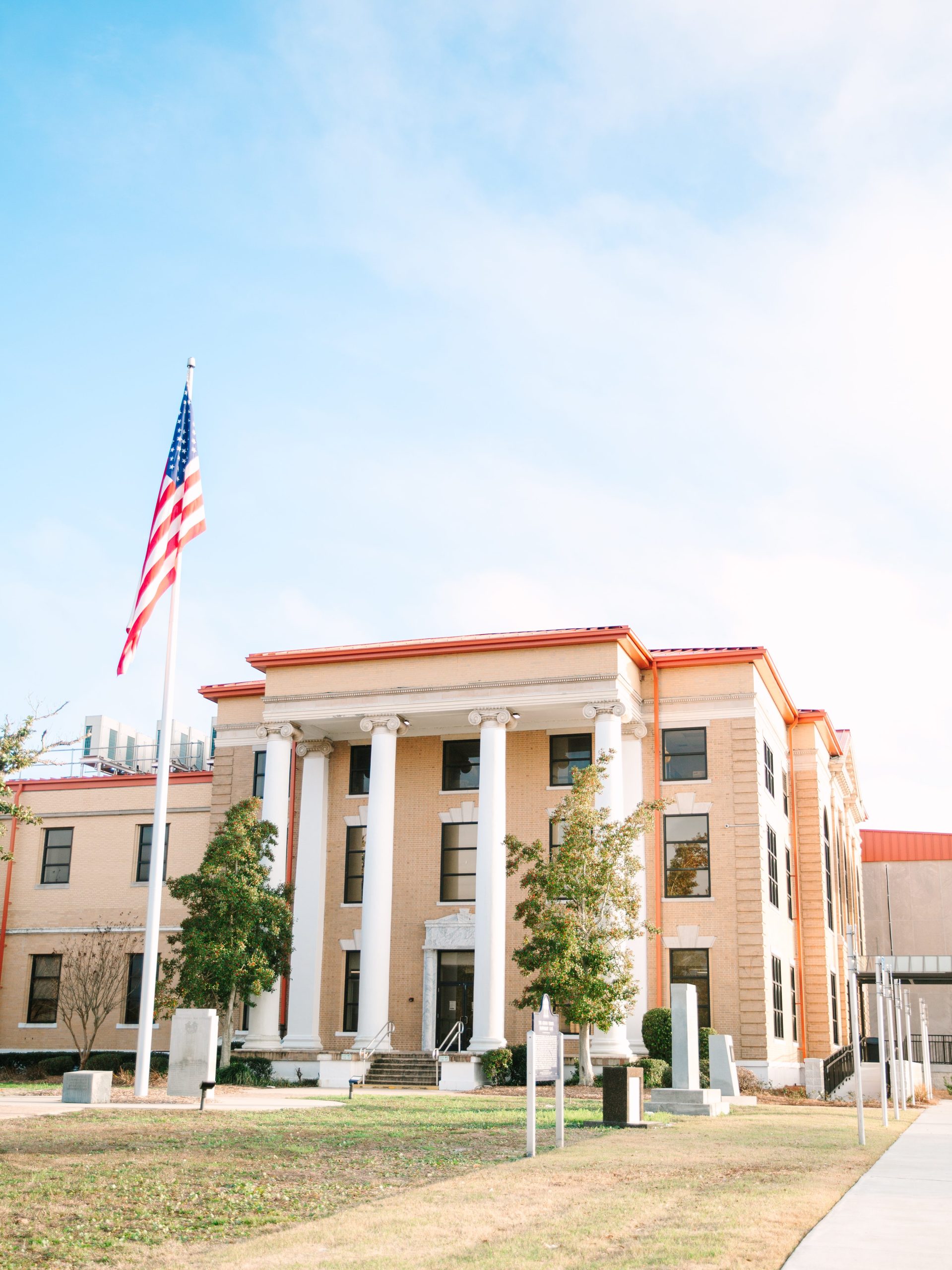
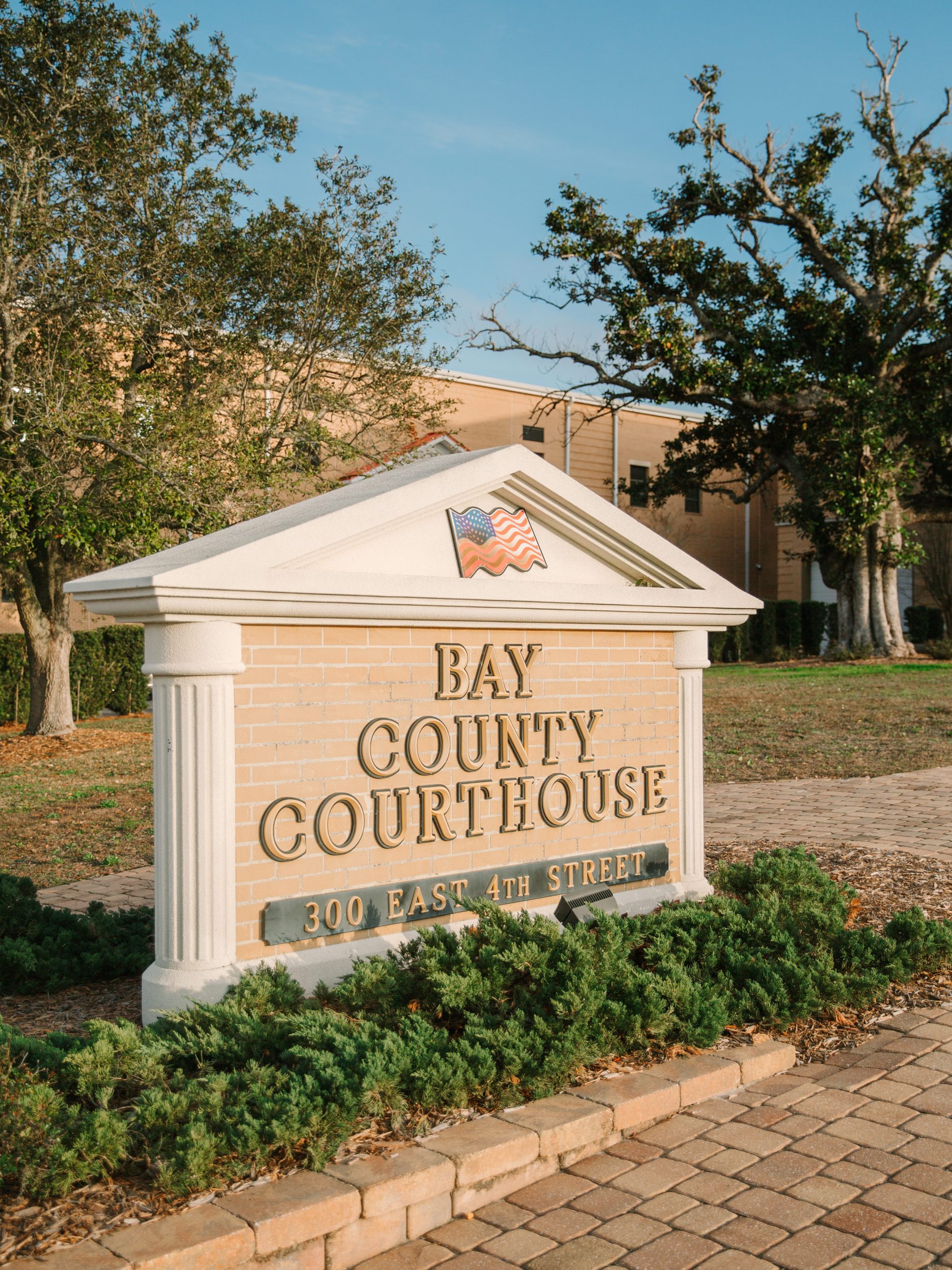
In the heart of Downtown Panama City, the Bay County Courthouse is recognized for its connection to Gideon v. Wainwright, a landmark Supreme Court case that continues to shape the American legal system.
The case began in 1961, when Clarence Earl Gideon was arrested in Panama City and charged with breaking into a pool hall. Unable to afford an attorney, Gideon requested that one be appointed to represent him. At the time, Florida law only provided attorneys for defendants facing capital punishment, and his request was denied. Gideon represented himself at trial and was convicted, receiving a five-year prison sentence.
While incarcerated, Gideon filed a handwritten appeal, arguing that his constitutional rights had been violated. After his case reached the U.S. Supreme Court in 1963, the Court ruled in his favor. The decision established that under the Sixth Amendment, states are required to provide legal counsel to defendants charged with serious offenses who cannot afford an attorney.
This ruling expanded civil rights and transformed the American justice system, ensuring fair representation in courtrooms across the country. Today, the Bay County Courthouse stands as a powerful reminder of how one case from Panama City helped shape a more equitable system of justice.
Walk Through Local History
To understand Panama City’s place in history, visitors can take a self-guided Historic Walking Tour. Three separate routes explore the unique stories behind the historic neighborhoods in Panama City. These walking tours highlight everything from the city’s name and early settlements to its role in shaping national judicial precedent.
The Downtown tour includes stops that reflect Panama City’s development, cultural influences, and lasting contributions to civil rights. In Historic St. Andrews, the tour explores the area’s layered past—from Native American heritage to maritime industry, all woven into the fabric of this bayside community. The Glenwood Walking Tour highlights the neighborhood’s significance as a self-sustaining African American community during segregation and honors the people and places that shaped its enduring legacy.
A City That Blends History and Coastal Culture
One of the most rewarding parts of visiting Panama City is how naturally historical exploration fits into a full coastal experience. After a meaningful visit to the courthouse or a morning walk through local history, visitors can enjoy fresh seafood at waterfront restaurants, explore the Panama City Oyster Trail, or spend time on the water kayaking, fishing, or dolphin watching.
Stroll through locally owned shops and cafes along Beck Avenue, or enjoy craft beer and local stories at History Class Brewing Company, where the walls are lined with photos and relics that honor Bay County’s past. For arts and culture, the Panama City Center for the Arts and the Panama City Mural Trail showcase creative voices and community stories in vibrant, accessible ways.