Panama City offers a wide range of diving experiences shaped by both natural features and purpose-built underwater structures. From historic shipwrecks resting along the Florida Panhandle Shipwreck Trail to artificial reefs designed to support marine life, each dive offers something different to explore. Divers can also take advantage of accessible shore dives near the jetties, where calm waters and varied habitats create ideal conditions for getting in the water without a boat.
What truly sets Panama City apart is the marine life. It’s not uncommon to encounter large species rarely seen in other destinations, with opportunities to swim alongside massive grouper, schools of amberjack, red snapper, and baitfish moving through the structures. Whether you are looking to explore sunken vessels, navigate reef systems, or start with an easy entry from shore, Panama City offers a dynamic and rewarding diving experience.
Wrecks
Panama City is home to over a dozen shipwrecks, many of which were intentionally sunk to create artificial reefs and enhance diving opportunities along the Gulf Coast. Six of these sites are part of the Florida Panhandle Shipwreck Trail, offering a range of depths and experiences for certified divers. These vessels now serve as thriving marine habitats, attracting species like snapper, grouper, and angelfish while providing structure and visibility for memorable dives.
One of the most notable sites is the USS Tarpon, a 19th-century steamship that sank in a storm in 1937 and is now recognized as one of Florida’s Underwater Archaeological Preserves. Known for its local history and accessibility, it remains a favorite among divers exploring Panama City’s underwater landscape.
Here are some of the most popular wrecks to start exploring:
- USS Accokeek: Built in 1944, USS Accokeek served in World War II and continued its career supporting the U.S. Navy around the world. After decades of service, it was used for training at the Navy Dive School in Panama City before being sunk as an artificial reef in 2000. The tug now rests in 100 feet of water and offers a fascinating dive filled with history.
- Red Sea
- Black Bart: Originally named Vulcano del Golfo, this offshore supply vessel was sunk in 1993 in memory of Navy Supervisor Captain Charles “Black Bart” Bartholomew. Divers can explore the intact wheelhouse at 40 feet, examine the deck at 66 feet, and access the open cargo holds near 80 feet. Inside the vessel, you will even find the galley and ship’s head.
- USS Chippewa: Launched in 1942, the USS Chippewa served throughout the Atlantic, completing missions from Casablanca to Newfoundland. The tugboat was retired and sunk in 1990 as a training platform for Navy divers. Now resting upright in 100 feet of water, the Chippewa is a large, rewarding site with opportunities for both exploration and marine life sightings.
- USS Tarpon: Florida’s sixth State Underwater Archaeological Preserve, the USS Tarpon was a twin-screwed steam that went down in a storm in 1937.
- FAMI Tugs: Originally sunk bow to bow and tethered together, these two tugboats were later stacked by a storm that shifted one on top of the other. Today, they create a unique double-wreck dive that gives visitors a close-up look at the strength of both the vessels and the surrounding marine environment.
- El Dorado: El Dorado began as a luxury cruise ship but met a different fate after being beached by two hurricanes. In 2019, it was deployed as an artificial reef 12 nautical miles off the coast of Panama City. Today, this 157-foot vessel sits in 103 feet of water and serves as both a habitat and a reminder of the region’s resilience.
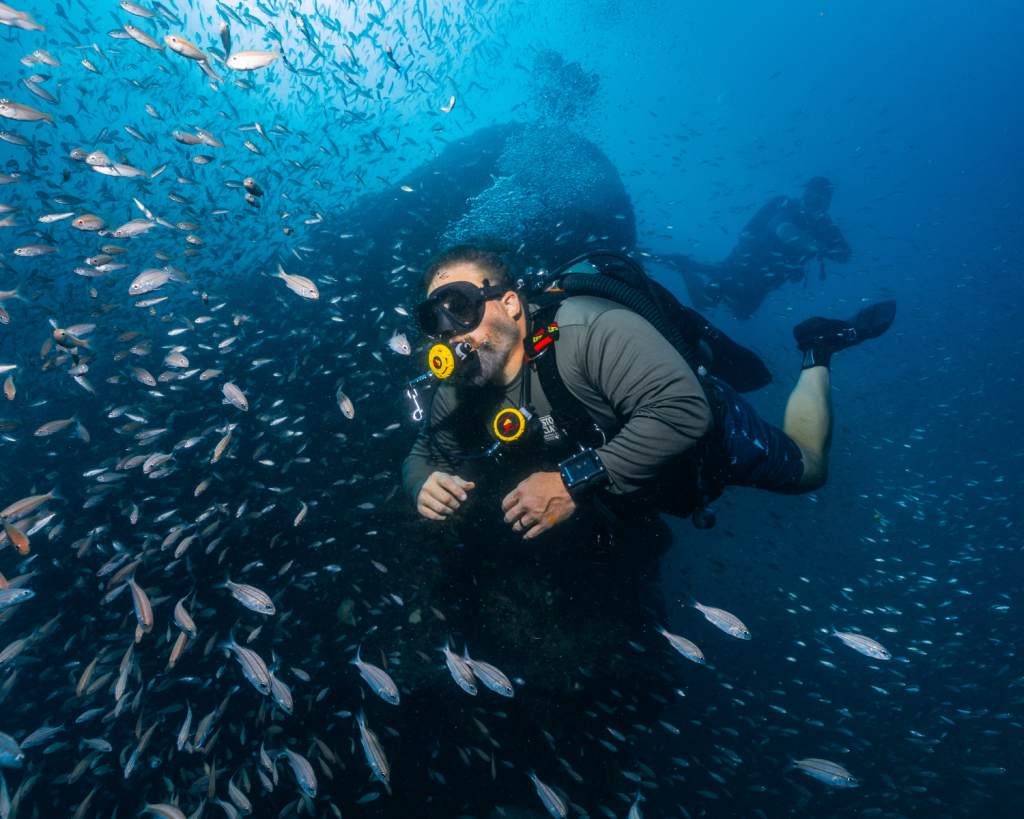
Artificial Reefs
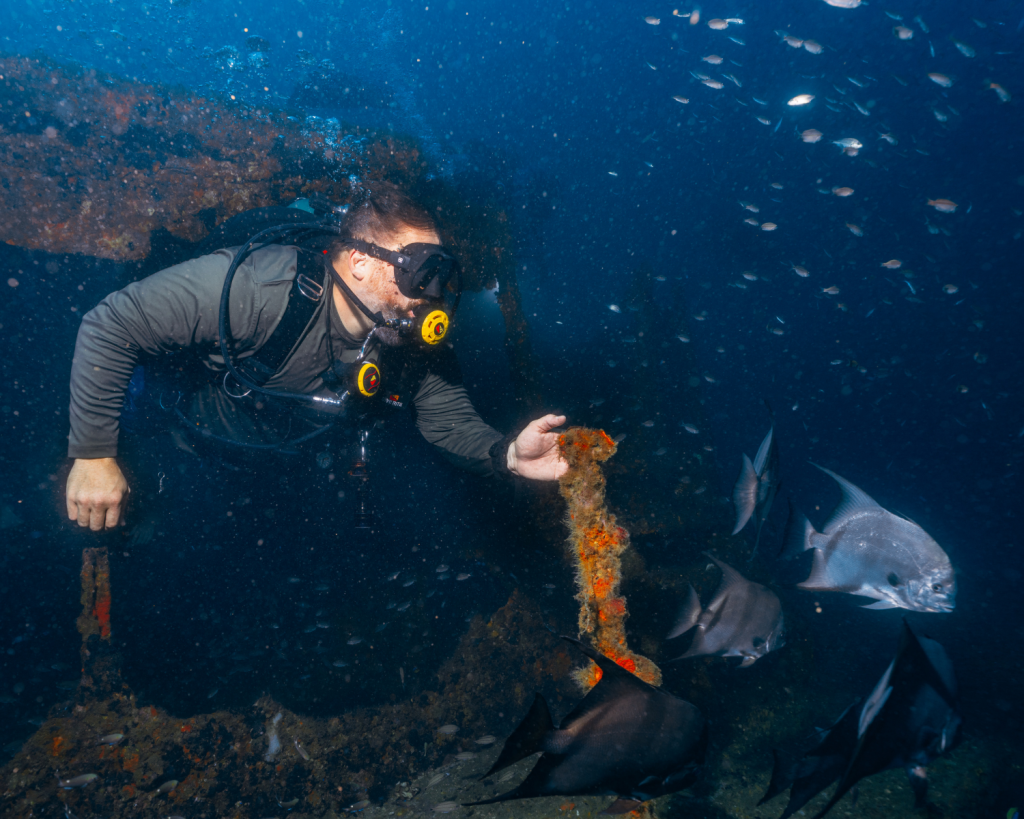
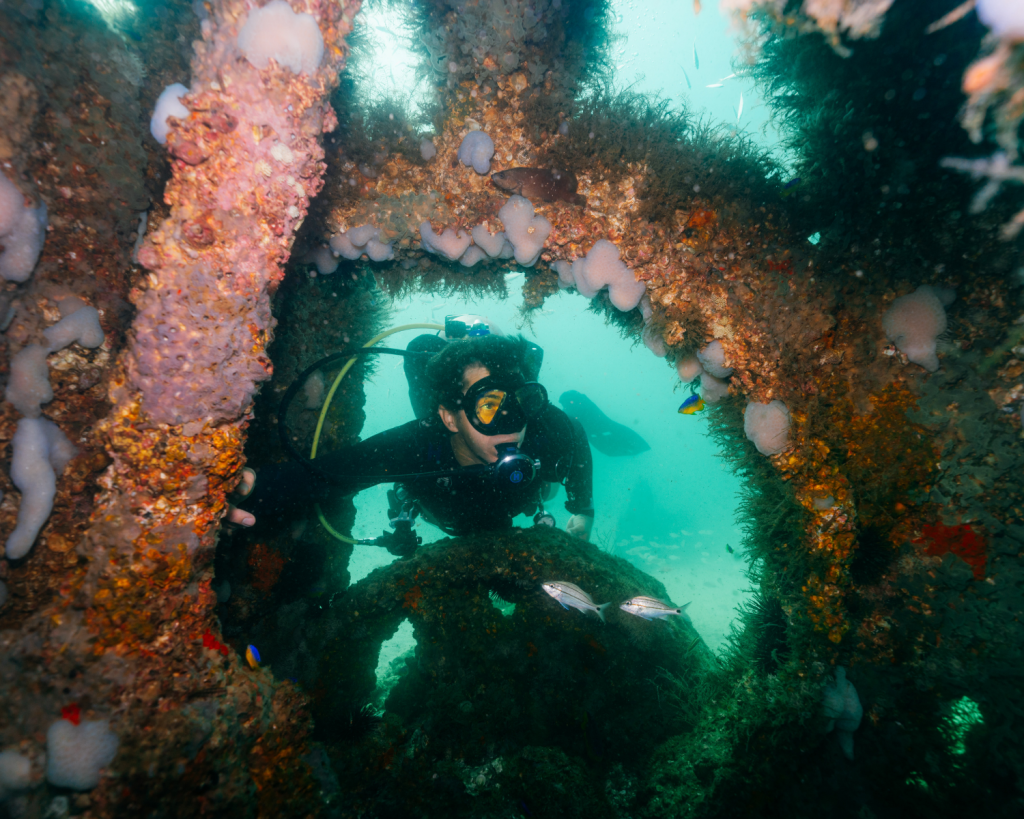
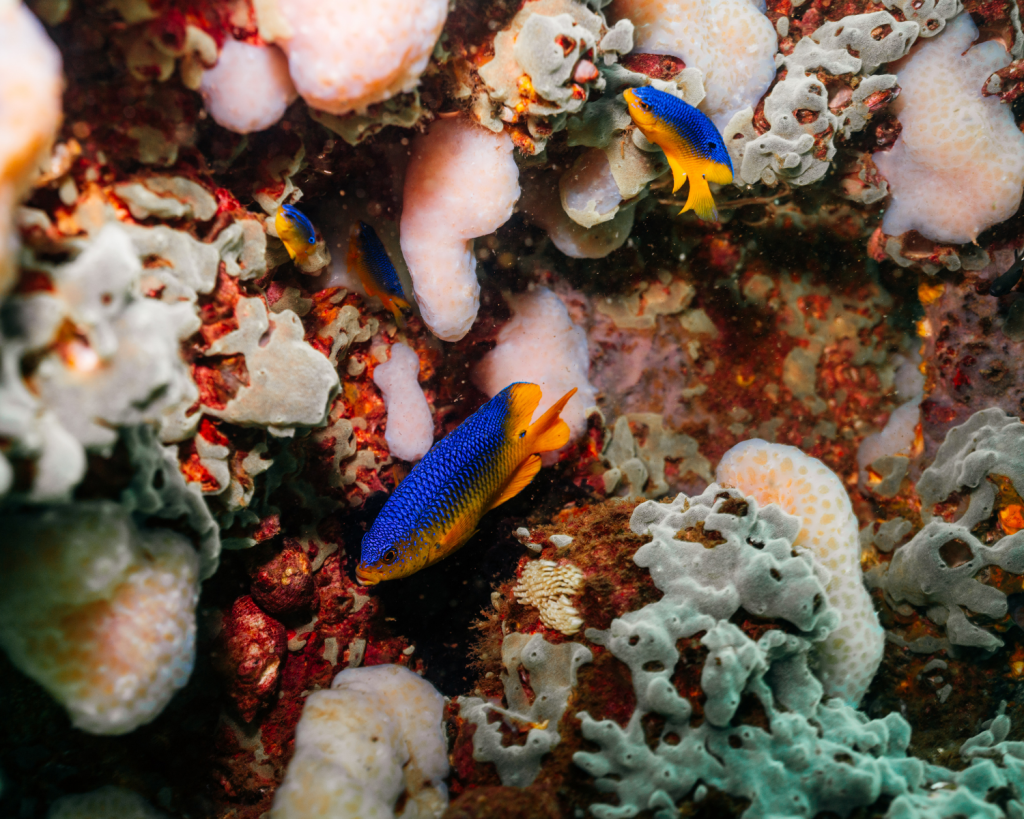
Panama City’s artificial reefs offer a different kind of dive experience, with structures designed to create habitat and attract marine life. In addition to traditional reef materials, divers will find bridge spans and bridge decks placed offshore, forming large, upright metal structures that resemble railroad trestles. These formations are unique to Panama City and stand apart from bridge dives found in other destinations.
Sites like Span 10 are especially popular, resting on natural limestone bottom that supports an abundance of marine life. The combination of structure and natural reef creates ideal conditions for fish, making these dives active, engaging, and full of movement. Together, Panama City’s artificial reefs provide a range of underwater environments that are both visually striking and rich with life.
Shore Dives
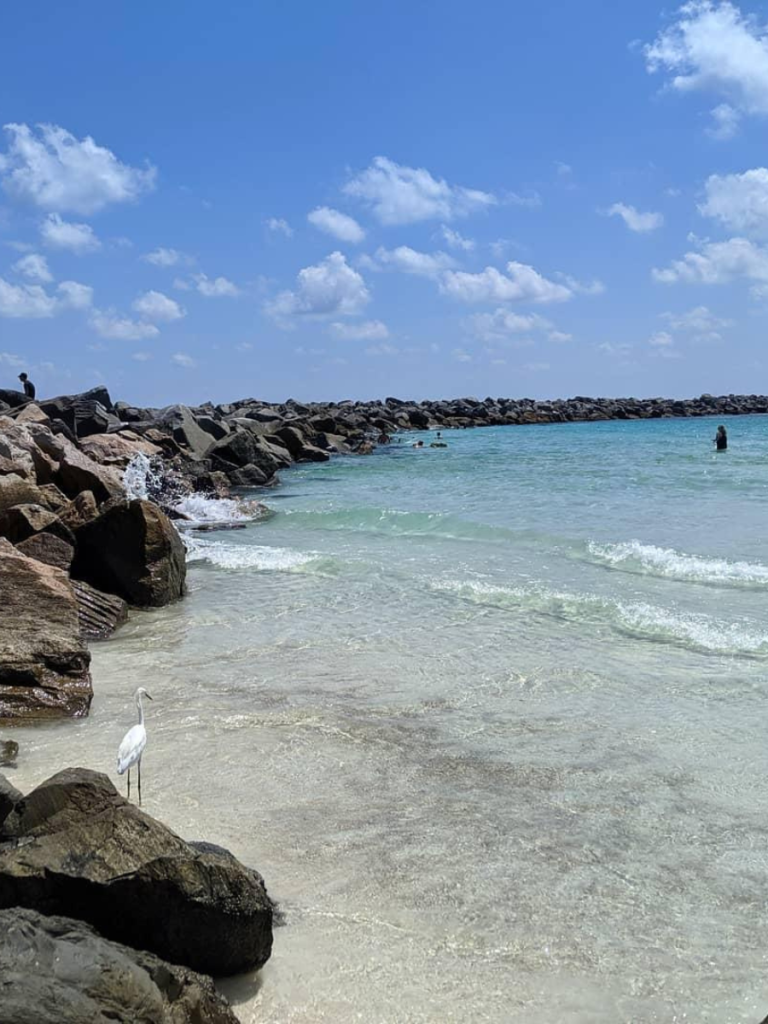
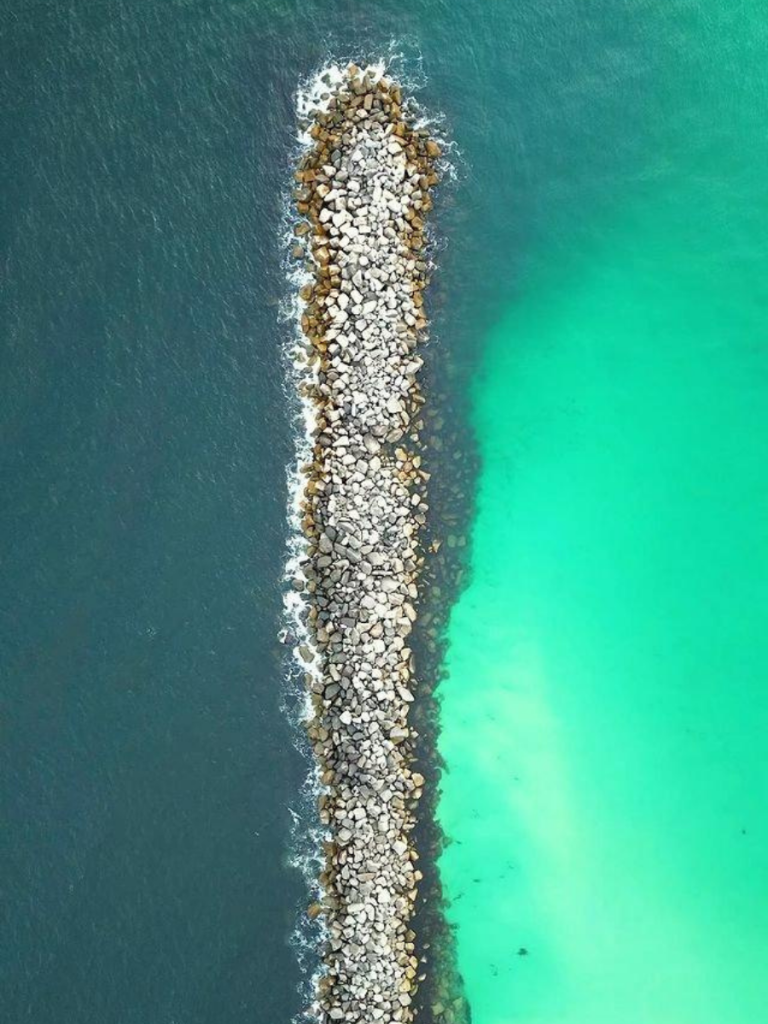
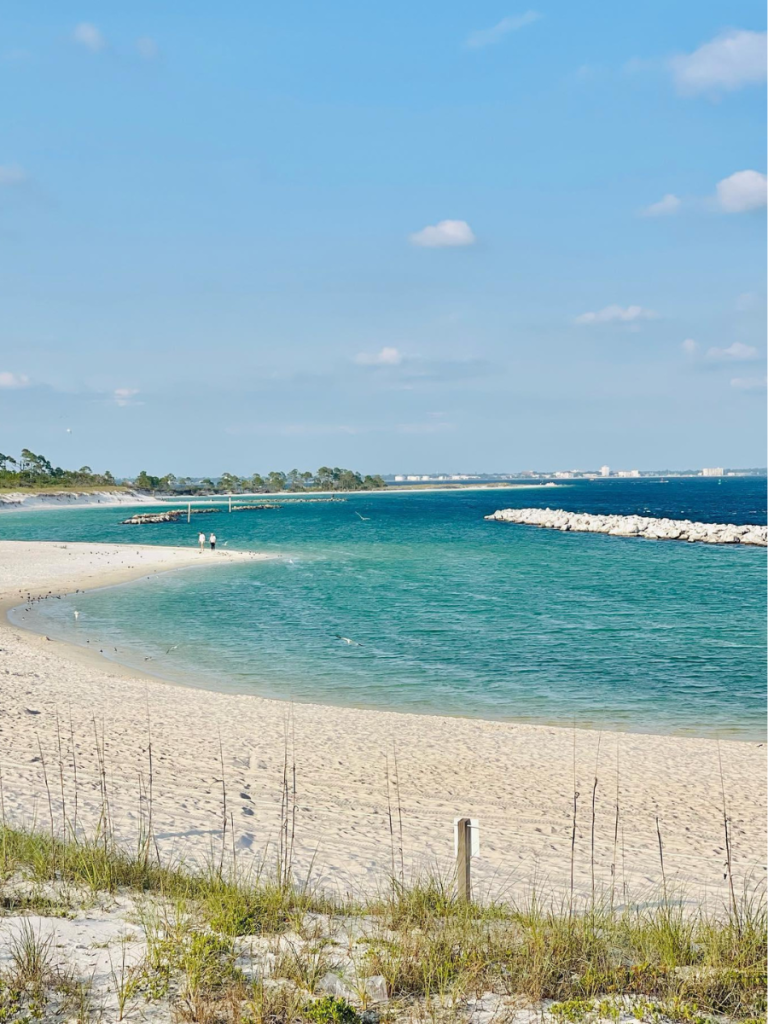
Shore dives in Panama City are centered around St. Andrews State Park, where the jetty system creates one of the most active and diverse underwater environments in the area. Positioned between the bay and the Gulf, this site attracts a wide range of marine life, from goliath grouper and schools of fish to more unexpected sightings like seahorses, frogfish, and even passing manatees or eagle rays. Depths range from around 20 to 70 feet, with a gradual slope that makes it a great option for newer divers or those getting back in the water. Conditions are typically best around high tide, when visibility improves and currents are minimal, creating a more comfortable and rewarding dive experience.