Fishing Seasons in Panama City, Florida: Your Complete Guide to Year-Round Action on the Gulf
Panama City sits at the intersection of some of the most productive fishing waters in the Southeast. St. Andrews Bay with easy access to the Gulf, the Intracoastal Waterway, and nearby freshwater springs all converge here, creating a fishery that stays busy every month of the year. If you’re planning a trip and want to know what’s biting, this guide to fishing seasons in Panama City breaks it all down, season by season, species by species.
Whenever you visit, there’s a rod waiting for you and fish ready to cooperate.
Fishing Seasons in Panama City, Florida
Summer Fishing in Panama City: Offshore Action and Early Morning Gold
Summer is the high season on the water, and Panama City delivers in a big way. The Gulf fills up with species that will test your tackle and your patience in the best possible way.
What’s Biting in Summer
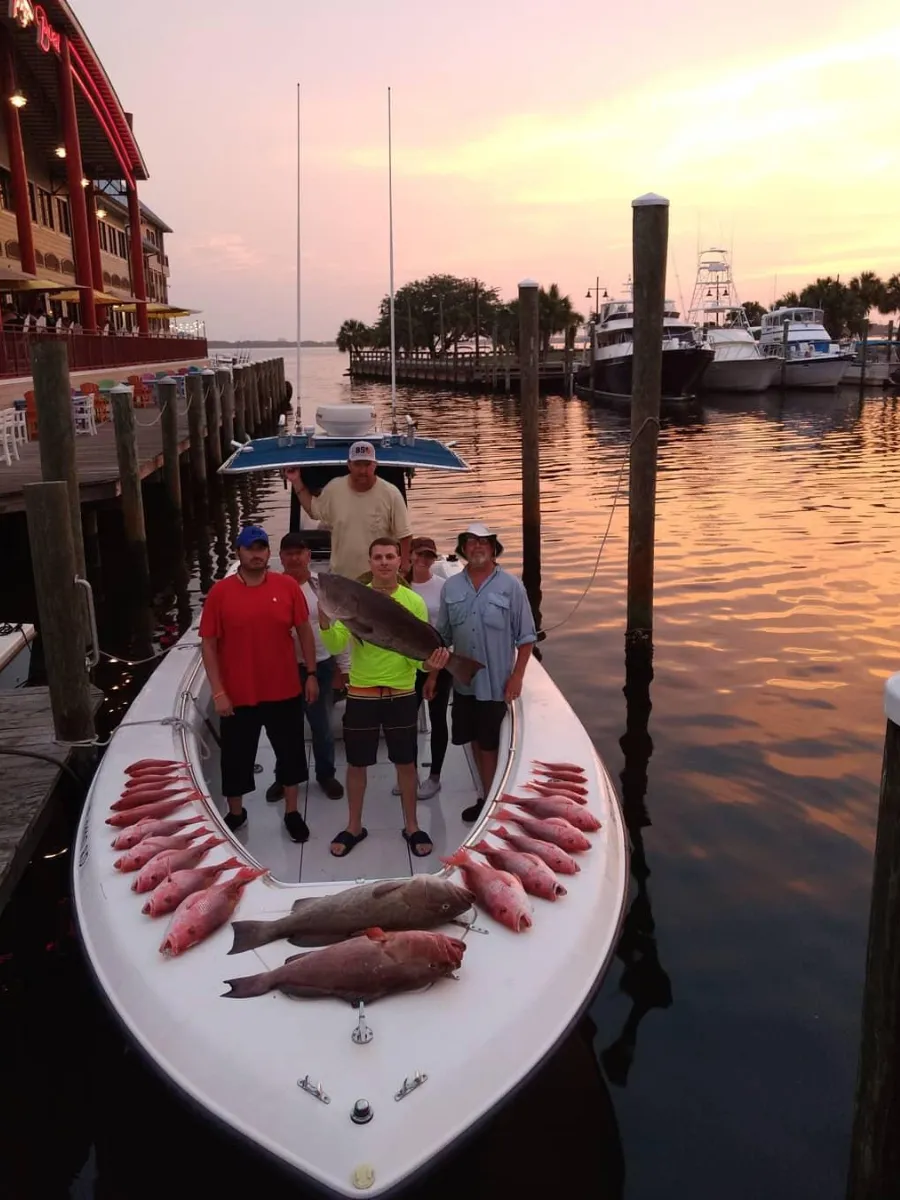
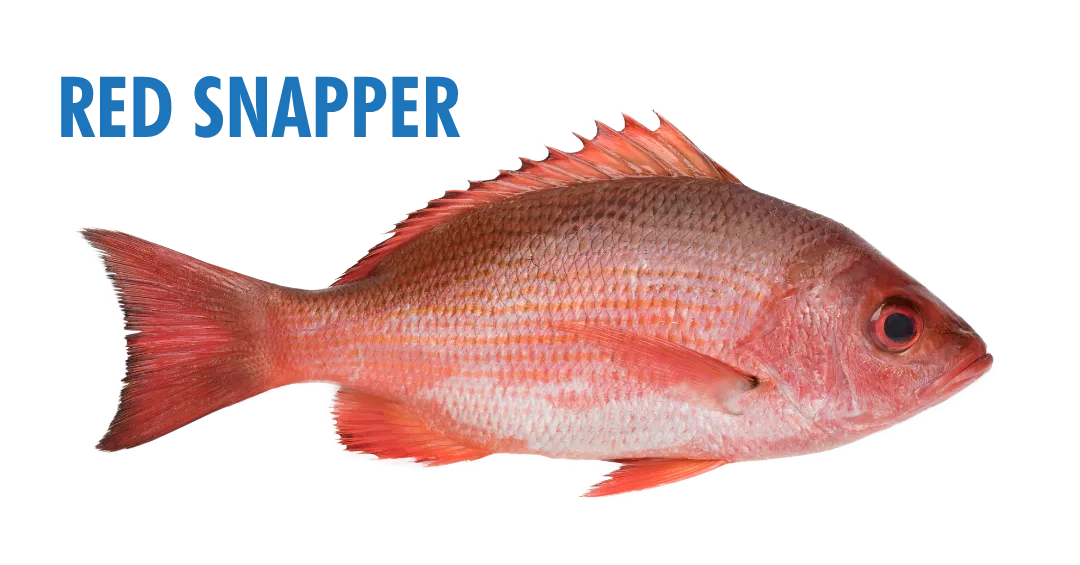
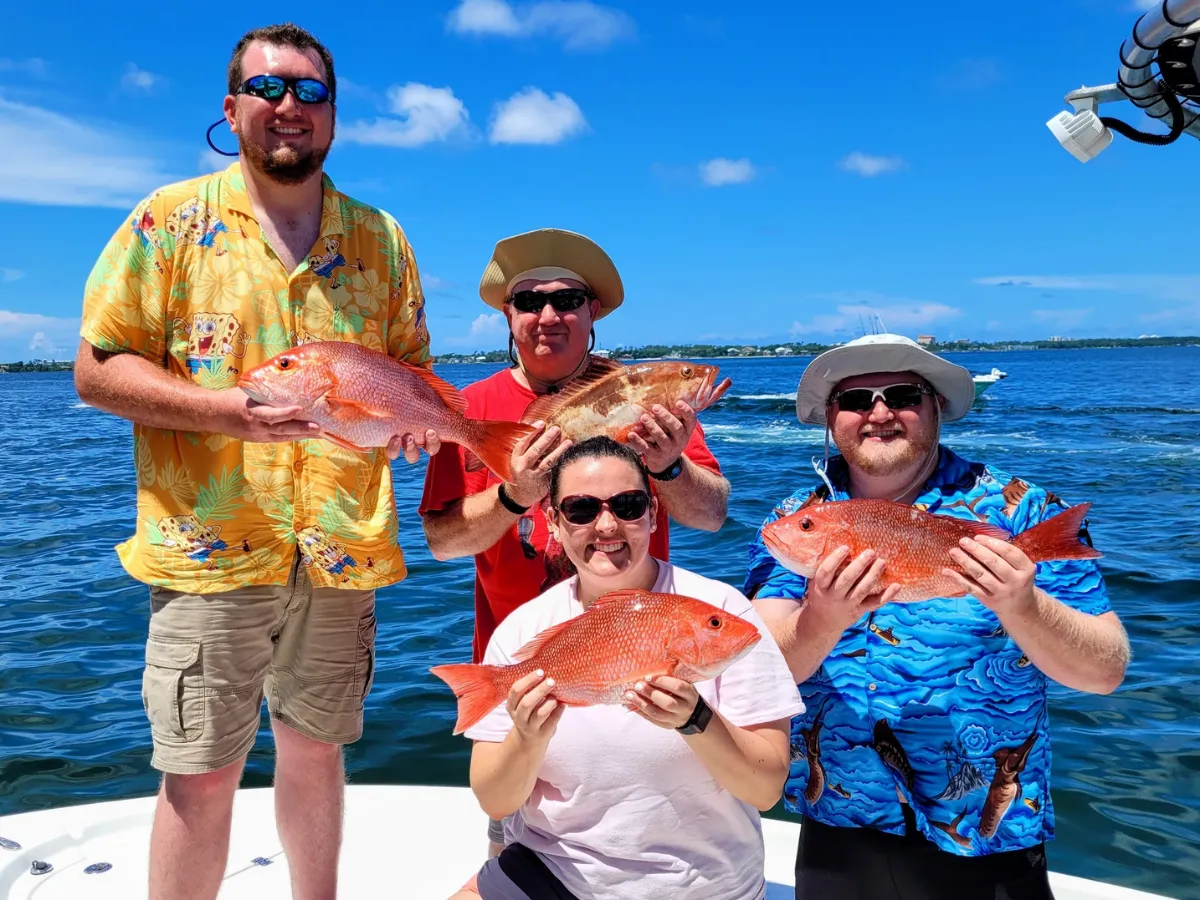
- Red snapper (check current season dates with FWC)
- Grouper (gag and red)
- Mahi mahi following the weed lines
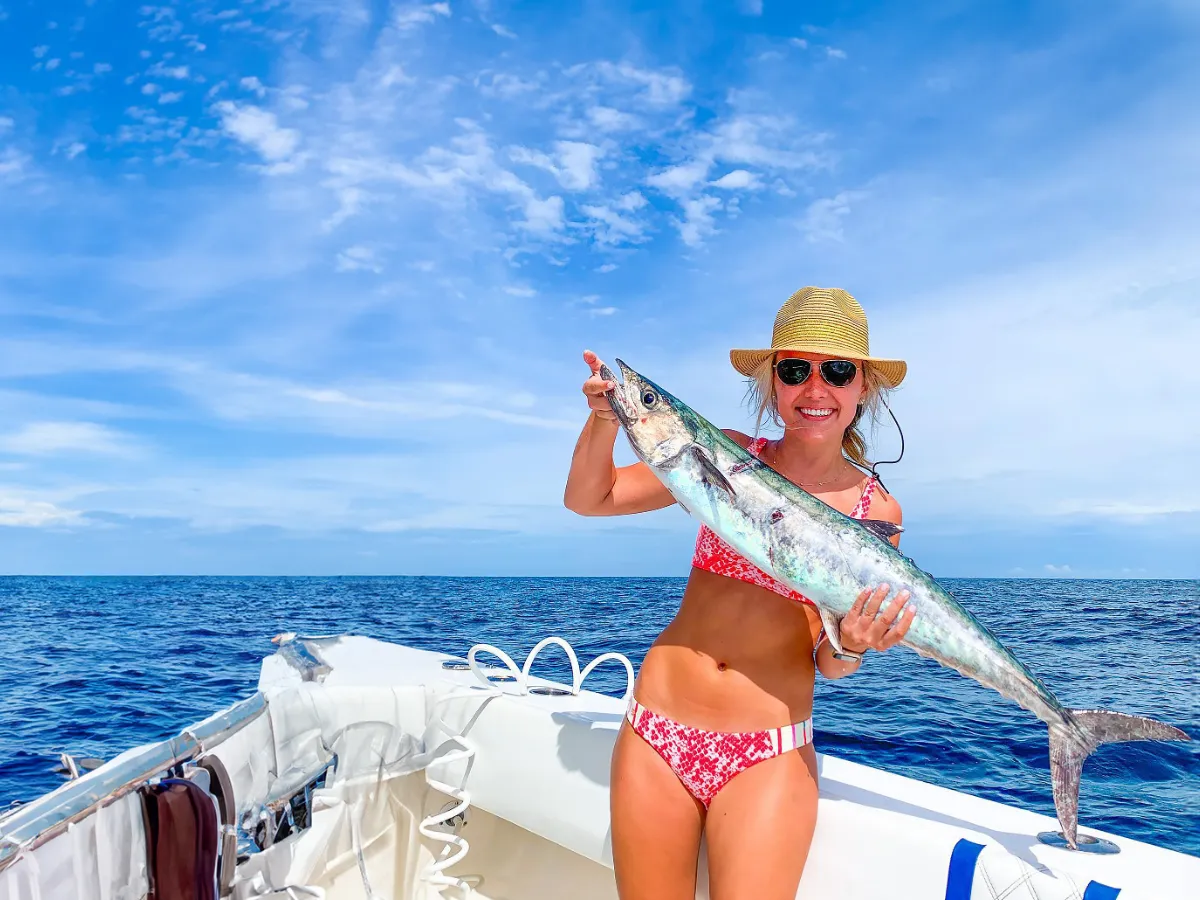
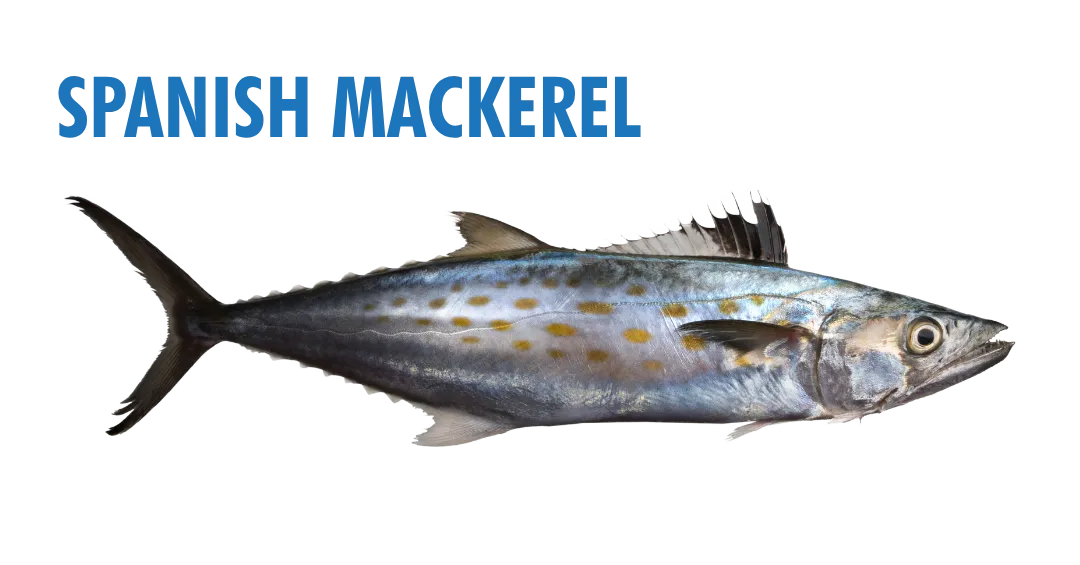
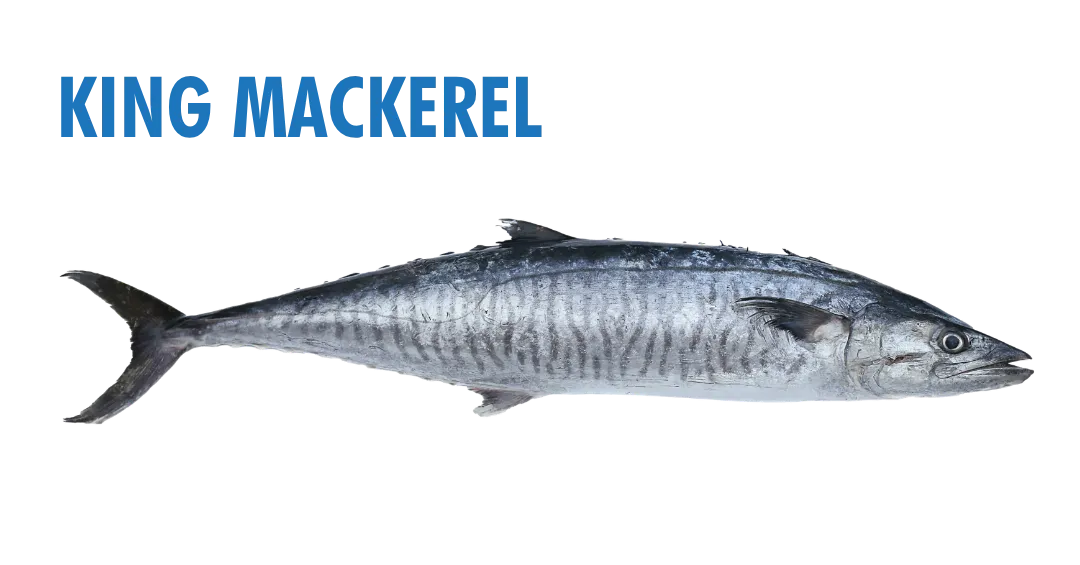
- King mackerel and Spanish mackerel running along the surface
- Triggerfish on the reefs
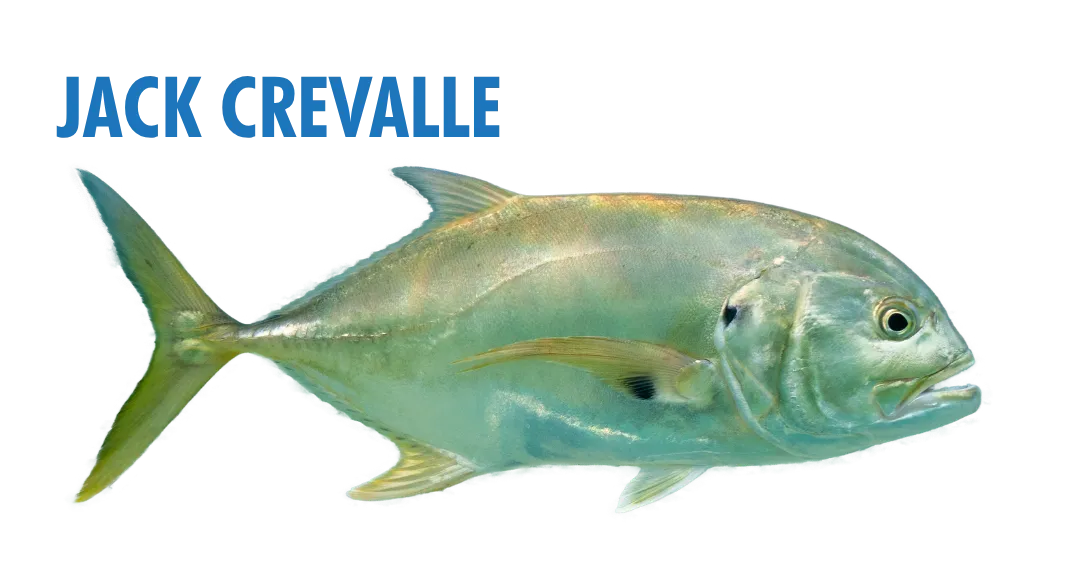
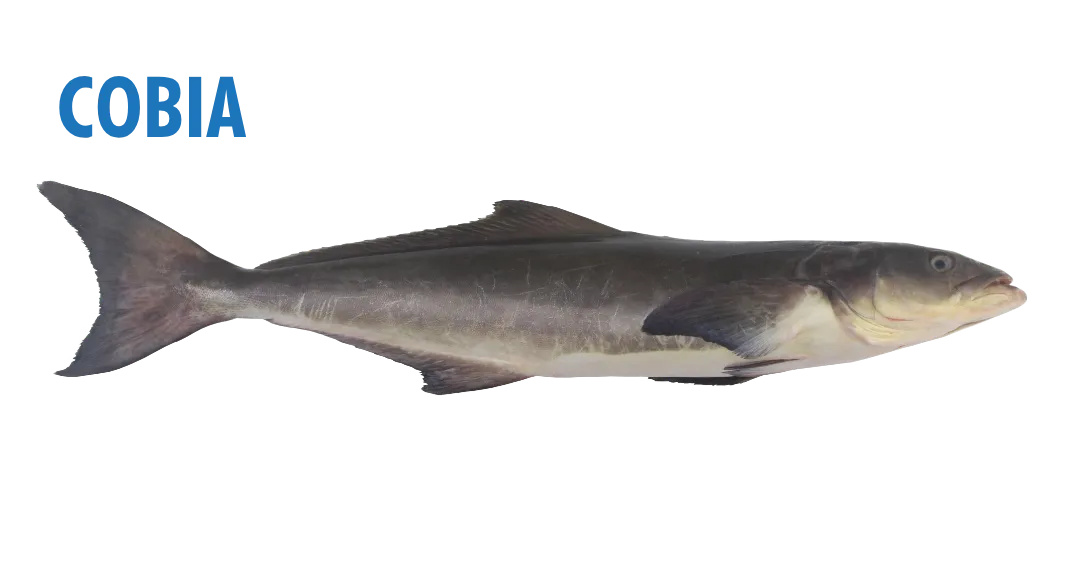
- Jacks and cobia near structures
Key Takeaway: Summer offshore fishing in Panama City is some of the best on the entire Florida Gulf Coast. The warm Gulf currents push baitfish in, and the big predators follow right behind them.
Inshore Summer Strategy
Early morning is everything in the summer temperatures. Redfish and speckled trout are up and feeding at first light before the sun climbs and temperatures push them into the shade. By mid-morning, the bite slows inshore. If you’re fishing midday, go offshore or go home for the afternoon and come back at dusk.
Summer Tips for Visiting Anglers
- Book charter trips for 6:00 AM departures to beat the heat and catch the bite
- Bring polarized sunglasses to spot fish on the flats
- Bring water and sun protection, summer on the Gulf is no joke
Fall Fishing in Panama City: The Best-Kept Secret of the Gulf Coast
Cooler air temps, northerly winds, and massive schools of baitfish flooding the bay create a feeding frenzy that runs from September through November for a fabulous fall fishing season in Panama City.
Why Fall Fishing on the Florida Gulf Coast Stands Out
As water temperatures drop from the summer highs, baitfish begin their seasonal migrations, and every predator in the bay positions itself to intercept them. You get schooling behavior, surface feeds, and fish that are actively eating before winter slows things down.
Fall Species Spotlight
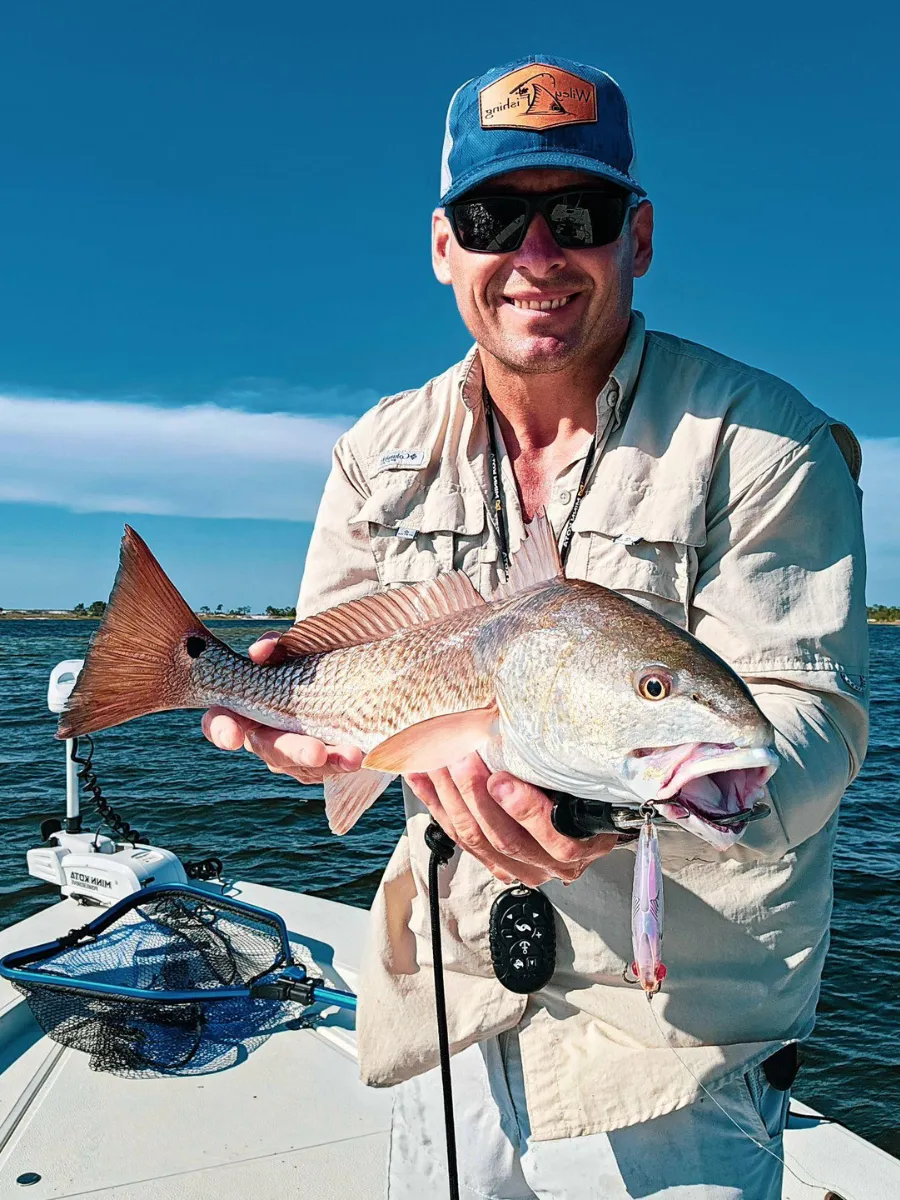
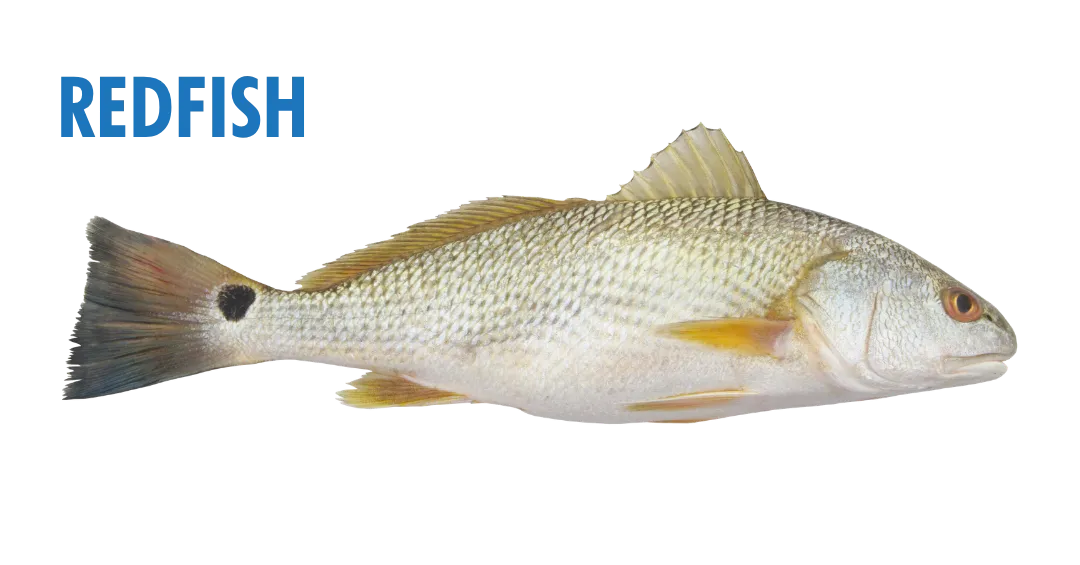
Redfish are in peak form in the fall. They school up in large numbers, making them easier to locate and more willing to eat. Look for nervous water, diving birds, or tailing fish on the flats.
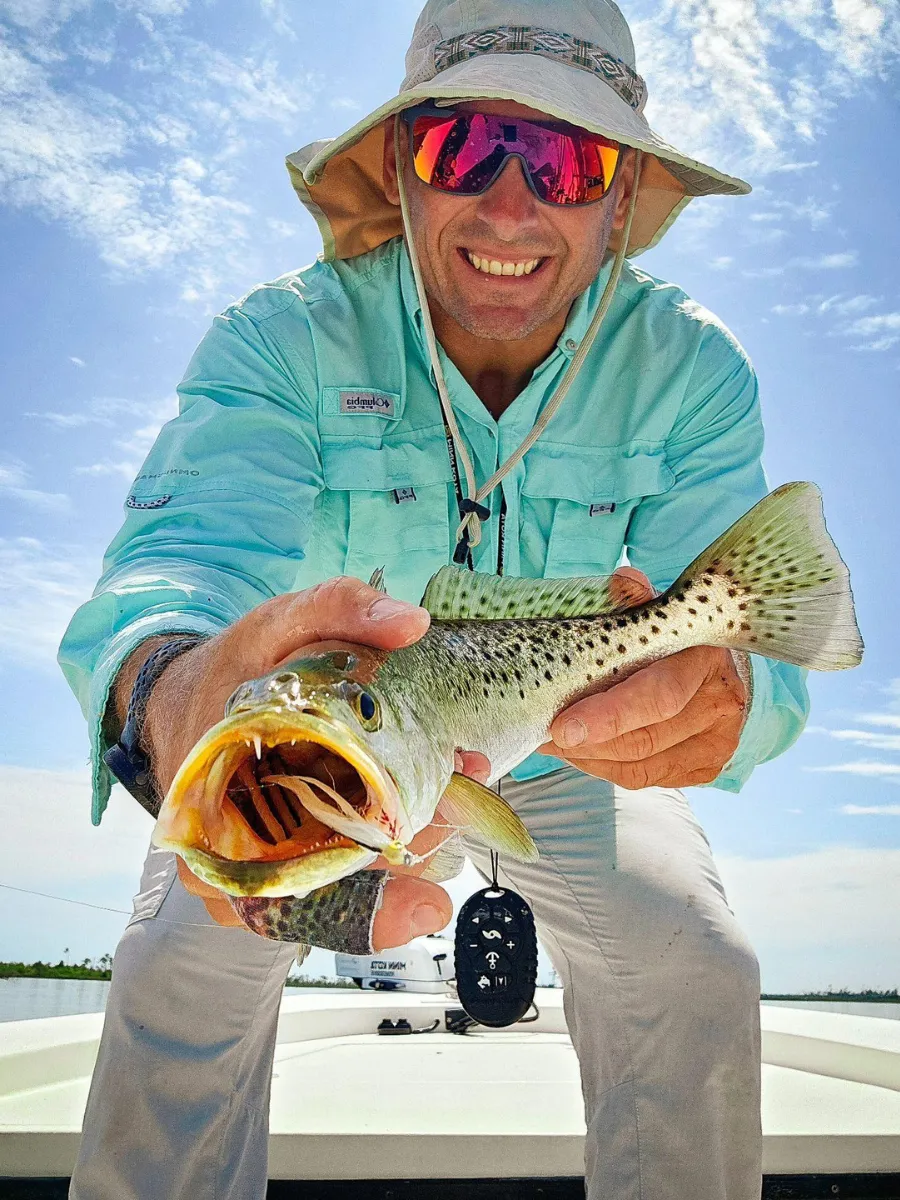
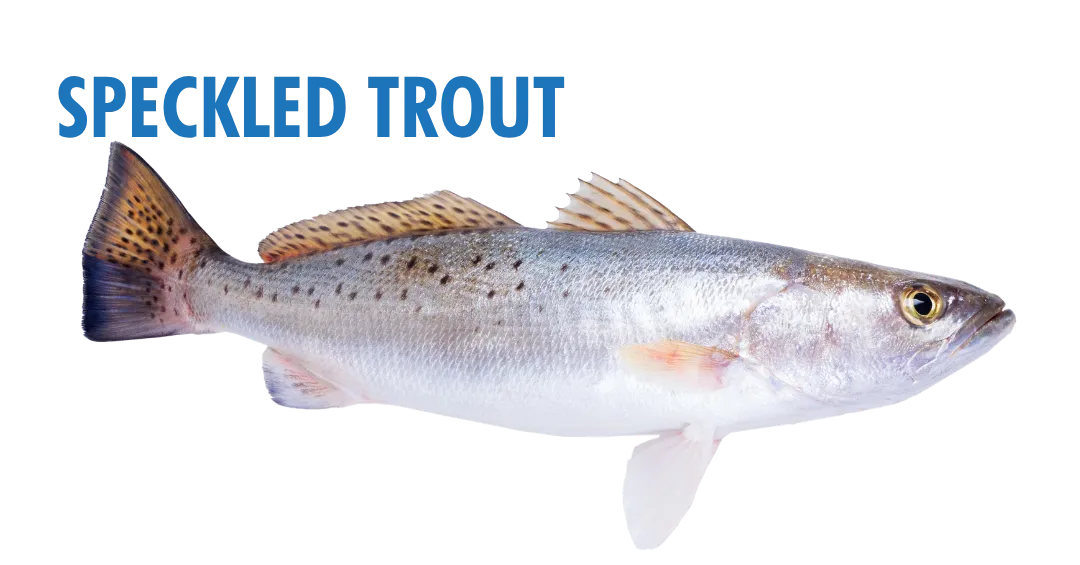
Speckled trout move into the shallower grass flats and can be caught on topwater lures in the early morning hours. This is one of the most exciting bites of the year.
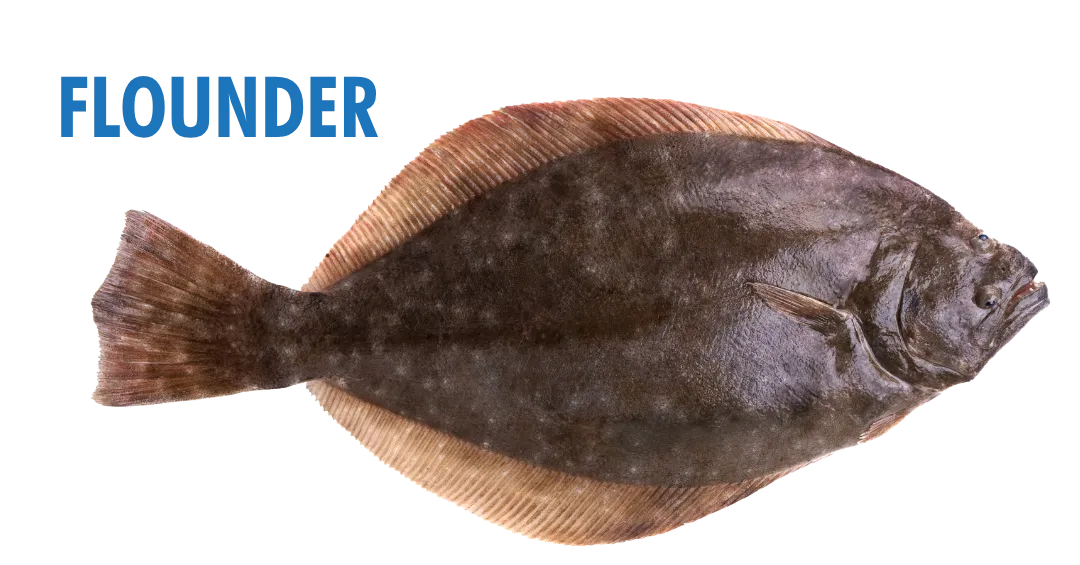
Flounder stage near passes and drop-offs as they begin their fall migration. The bridge pilings and channel edges around St. Andrews Bay are prime territory.
Additional fall species include:
- Mangrove snapper holding near structure
- Spanish mackerel in the bay and nearshore Gulf
- Jack crevalle schooling on the surface
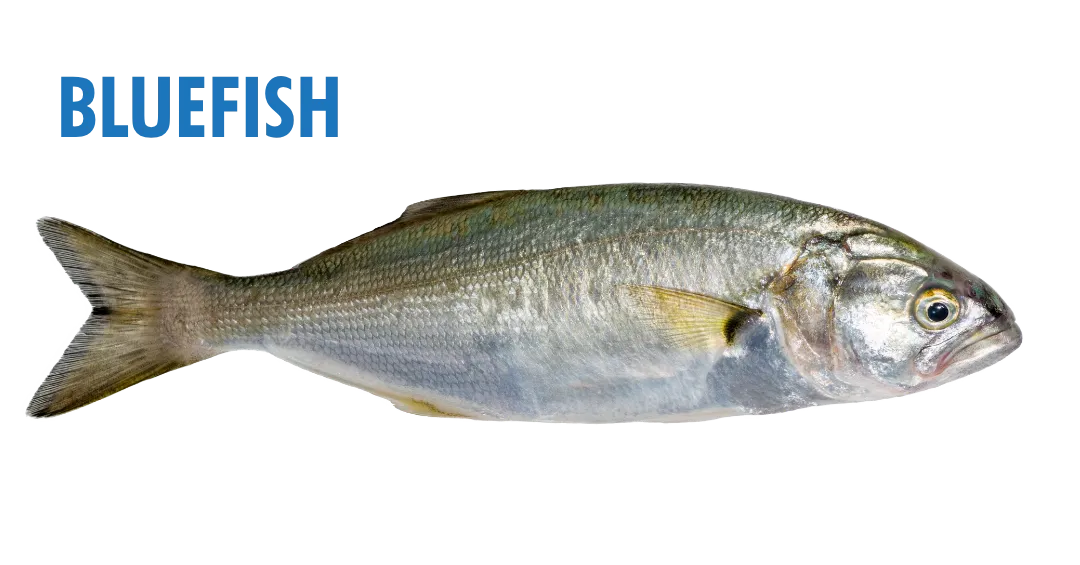
- Bluefish moving through in large schools
Nearshore and Offshore in Fall
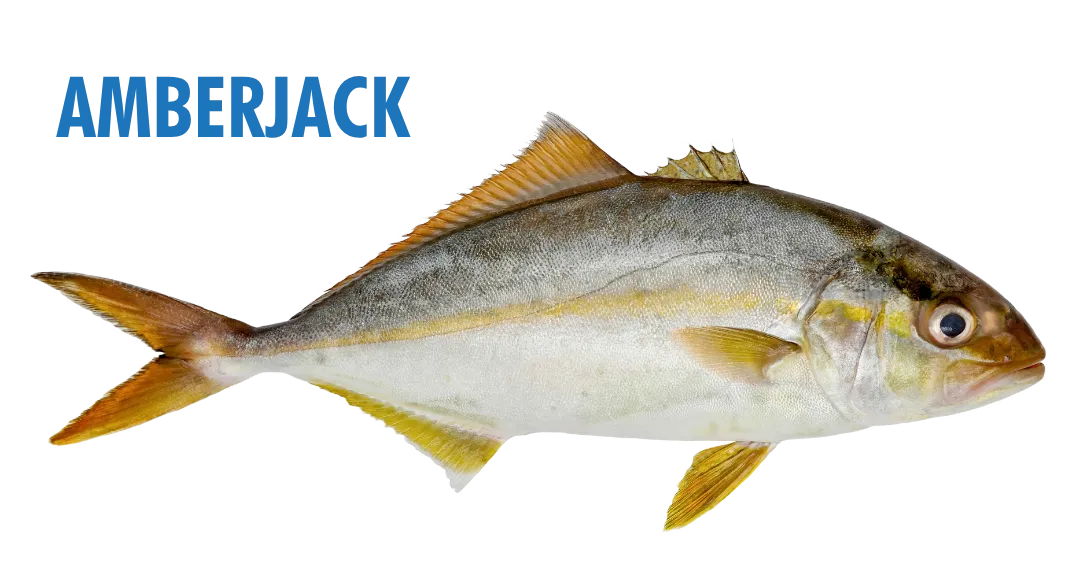
The offshore bite transitions in fall. Red snapper season typically winds down, but grouper remains productive and amberjack are found on the deeper reefs. Nearshore, look for Spanish mackerel and bluefish crashing baitfish near the beach.
Winter Fishing in Panama City: Calm Water, Low Crowds, and Consistent Redfish
Winter is the most underrated fishing season in Panama City. Crowds drop dramatically, the water calms down, and the fish that remain are concentrated and catchable.
The Winter Inshore Scene
Redfish are the star of the winter fishing season in Panama City. They are a year-round resident of St. Andrews Bay and are notably less affected by cold water than other species. On warm winter days, they’ll be found tailing in the shallows. On cold fronts, they stack up in deeper holes and channel edges.
Speckled trout move to deeper grass flats and warm-water pockets in winter. Slow presentations, soft plastics fished near the bottom, and patience pay off.
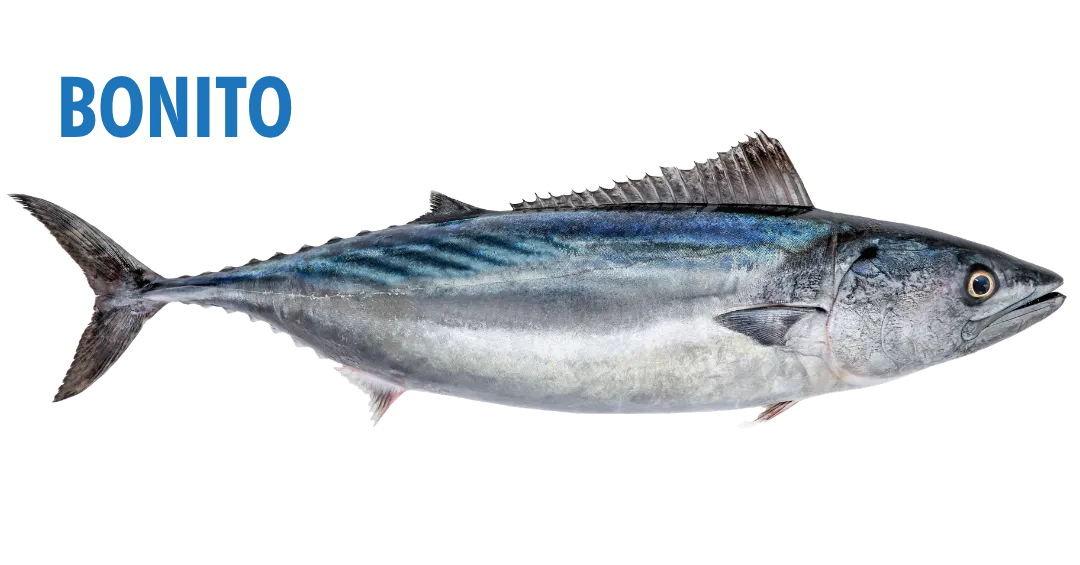
Bonito make a consistent appearance through winter, often schooling just outside the passes. They are fantastic fighters and a great option when inshore action slows.
Why Winter Fishing in Panama City Works
- Less boat traffic means undisturbed fish and quieter anchorages
- Mild Gulf Coast winters keep the water fishable even in January and February
Key Takeaway: Winter redfish fishing in Panama City Bay is as good as anywhere on the Gulf Coast. Locals know this, and now you do too.
Winter Fishing Access Points
You don’t need a boat to find fish in winter. The Panama City Marina promenade is a great spot where land-based anglers consistently find success even in the coldest months.
Spring Fishing in Panama City: The Season That Builds Toward Everything
Spring brings warming water, returning species, and a sense of momentum on the water. From March through May, the fishing in Panama City ramps up dramatically.
Early Spring: The Warming Trend Begins
As water temps climb through the low 60s into the 70s, fish that were holding deep or inactive start moving and feeding more. Spanish mackerel are typically the first sign that spring is here. They show up in big numbers nearshore and in the bay, often visible as surface feeds that can be sight-cast to.
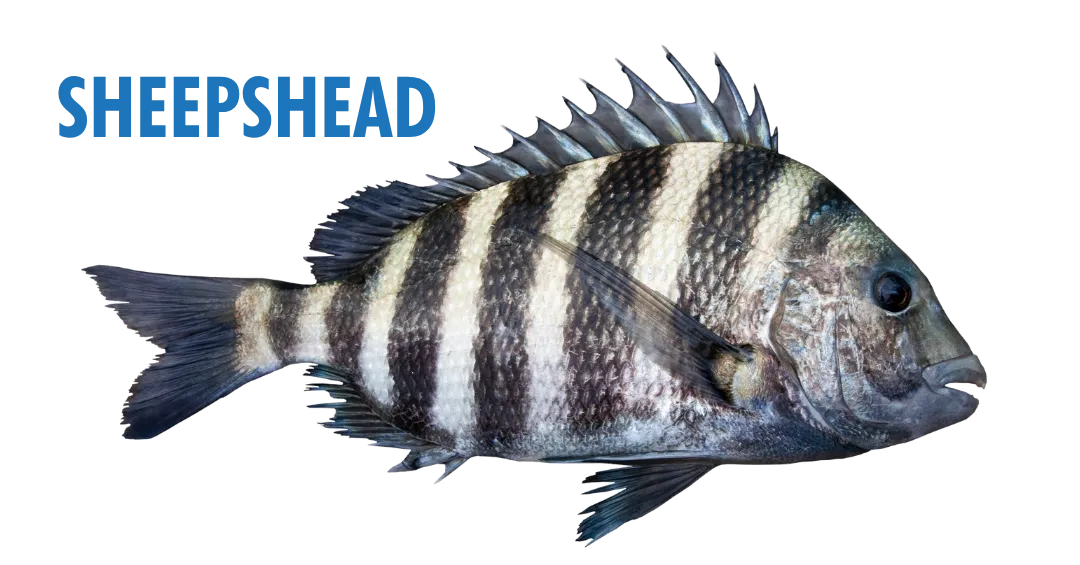
Sheepshead remain active through early spring and are joined by black drum spawning in the passes. This is one of the better windows for land-based and dock fishing.
Late Spring: The Tarpon Signal
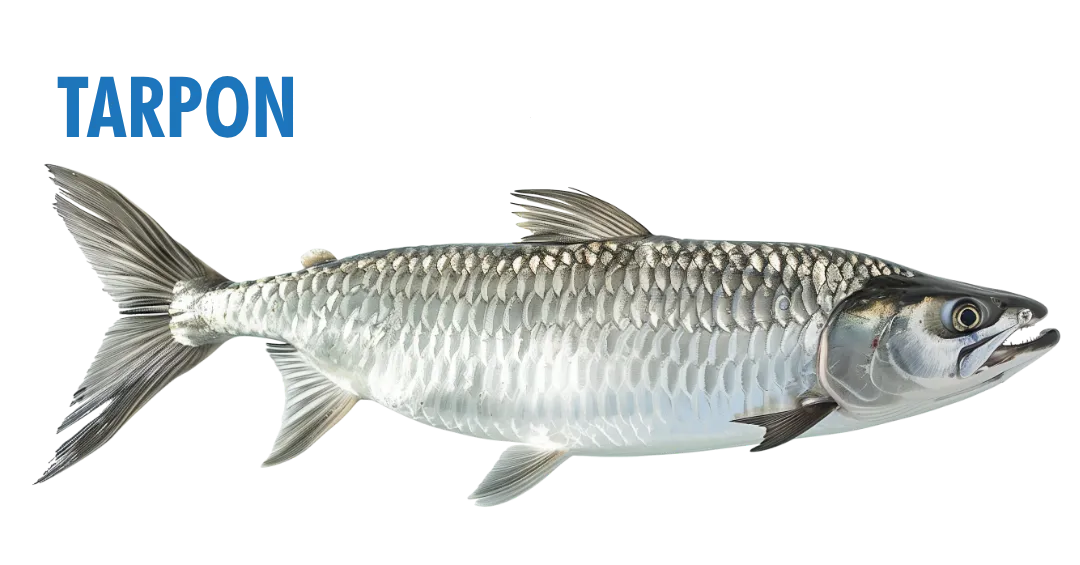
Late April and May bring one of the most exciting fishing seasons in Panama City: tarpon. These silver giants, some pushing 100 pounds or more, begin cruising the bay and nearshore passes. Sight fishing for tarpon in the clear waters around St. Andrews Bay is a bucket-list experience for any angler visiting the Florida Gulf Coast.
Additional late spring species include:
- Cobia migrating along the beach
- Redfish and trout fully active again on the flats
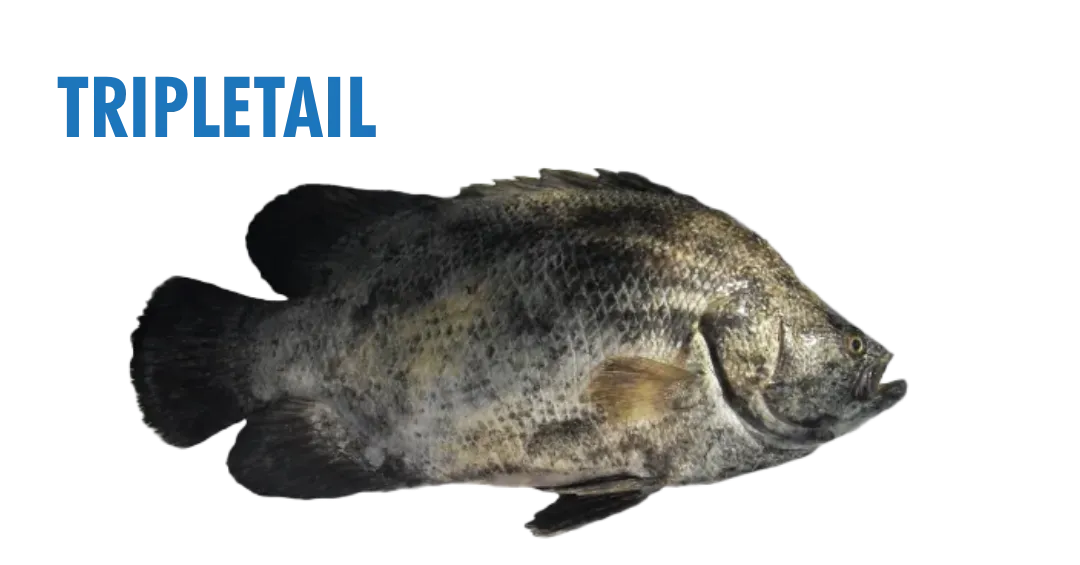
- Tripletail floating near crab trap buoys and surface debris
- Inshore snapper returning to the passes
Key Takeaway: Spring offers some of the best sight fishing of the year. Tarpon and cobia in clear water, on top, in the sunshine is hard to beat anywhere in Florida.
Spring Offshore Action
The offshore season begins warming up in spring. Amberjack are active on the reefs. Mahi mahi start showing up behind the weed lines as Gulf water temps rise. This is also a good time to target king mackerel on the nearshore reefs before the summer crowds arrive.
Game Fish Species
How to Fish Panama City: Your Options on the Water
Charter Fishing
Hiring a local guide is the fastest path to a productive day on the water, and with fishing seasons in Panama City running year-round, there’s always a reason to book one. The charter fleet here includes captains who have spent years learning the bay, the tides, and the seasonal patterns that most visitors never know about. Outfits like Panama City Inshore and Last Local Guide Service are among the local pros who handle everything, you just show up.
Rent a Boat and Fish Your Way
If you want to captain your own adventure, local rental shops like Beachy Boat Rentals and Scotty Boat Rentals offer center consoles, pontoons, and fishing-ready vessels. You can target bridge pilings, drift the grass flats, or anchor near Shell Island on your own schedule.
Bringing Your Own Boat
Trailering in is easy in Panama City. Launch ramps are available at:
- Snug Harbor Boat Launch in Millville (one of the newest and most convenient)
- St. Andrews Marina
- Carl Gray Park
- Downtown Panama City Marina
Several hotels, including the Hilton Garden Inn, offer boat trailer parking so you can keep your rig close and stay comfortable.
Fishing from Shore
No boat required. The Panama City Marina promenade draws regulars casting lines in the heart of Downtown. Carl Gray Park has quiet shoreline access with nearby picnic areas. Beach Drive is especially productive near sunset for a relaxed land-based session.
Hook and Cook: Dinner from the Gulf to Your Plate
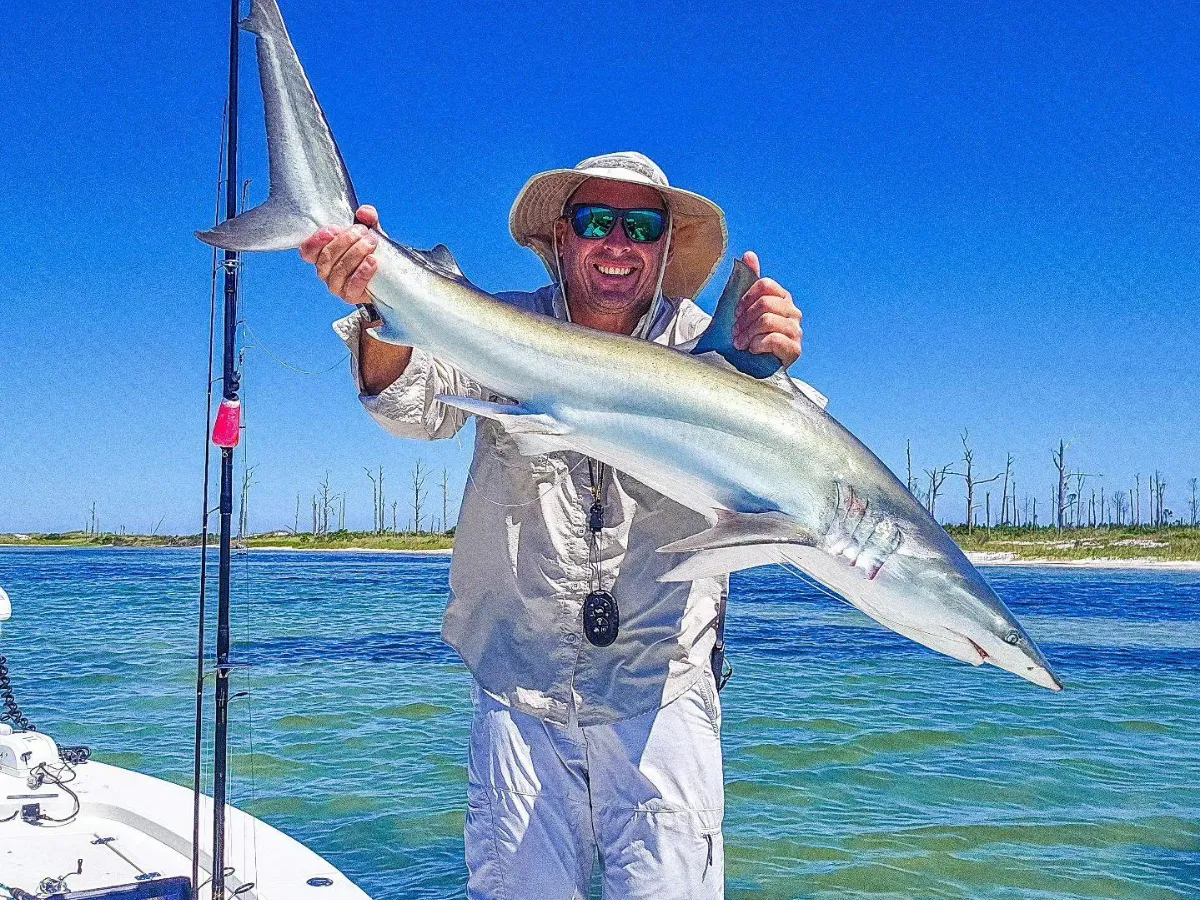
Catching your own dinner is one of the great satisfactions of a fishing trip to Panama City. Several local restaurants will cook your cleaned catch for you. Bring your fish to Uncle Ernie’s Bayfront Bar & Grill, Alice’s on Bayview, Captain’s Table Fish House, Tarpon Dock Seafood and Grill, or Hunt’s Oyster Bar and choose your preparation: grilled, blackened, or fried.
There is nothing quite like sitting down to a plate of fish you pulled from the Gulf yourself.
Know Before You Cast: Fishing License Information
If you’re on a charter, your license is covered. The captain holds a license that covers all passengers.
If you’re fishing from a rental boat or from shore, you’ll need your own Florida fishing license. Purchase one at GoOutdoorsFlorida.com before your trip. Licenses are available as one-day, seven-day, and annual options.
For regulations, size limits, and season dates, visit the Florida Fish and Wildlife Conservation Commission at myfwc.com. Seasons for species like red snapper and grouper change year to year, so always verify before you head out.
Frequently Asked Questions: Fishing Seasons in Panama City
What is the best time of year to fish in Panama City, Florida?
All seasons fishing seasons in Panama City offer excellent opportunities on the water. Summer is unbeatable for offshore species like snapper, grouper, and mahi mahi. Fall brings the most diverse inshore bite of the year, with redfish, trout, and flounder all active at once. Winter is the move for consistent redfish and sheepshead with far less competition on the water. Spring is prime time for sight fishing tarpon and cobia. Panama City is one of the few destinations on the Florida Gulf Coast where every season genuinely a good time to visit if you love fishing.
What fish are in season in Panama City right now?
Panama City’s fishing seasons run year-round. Redfish are present in every season. Summer peaks with offshore species like snapper, grouper, and mahi mahi. Spring brings tarpon and cobia. Winter focuses on redfish, sheepshead, and speckled trout. Check the Florida Fish and Wildlife Conservation Commission for current season dates on regulated species like red snapper and grouper.
Do I need a fishing license in Panama City, Florida?
Yes, if you are fishing from shore or from a rental or personal boat. Florida fishing licenses can be purchased at GoOutdoorsFlorida.com. If you are fishing on a licensed charter boat, the captain’s license covers all passengers and you do not need your own.
What is the best inshore fish to target in Panama City?
Redfish are the most consistent inshore target year-round in St. Andrews Bay. Speckled trout are a close second, with peak action in fall and early winter on the grass flats. In spring and summer, targeting tarpon and cobia offers some of the most exciting fishing on the entire Florida Gulf Coast.
When is red snapper season in Panama City?
Red snapper season dates vary year to year and are set by the Florida Fish and Wildlife Conservation Commission in coordination with federal regulators. The season typically opens in summer for state waters. Always check FWC.com for the most current season dates before planning a snapper trip.