Historic Sites to Visit in Panama City, Florida
Panama City’s history is found throughout the neighborhoods that shaped the city. Along the way, you can visit museums filled with local artifacts, walk streets lined with historic buildings, see public art that preserves pieces of the past and visit a site connected to one of the nation’s landmark Supreme Court cases.
For visitors interested in historic sites to visit in Panama City, Florida, the best place to begin is with the neighborhoods themselves. Downtown, St. Andrews, Glenwood and Millville each have their own stories and offer a different look at the people, industries and communities that helped Panama City grow.
Historic Sites to Visit in Panama City, Florida
Explore Panama City’s Historic Neighborhoods
Historic Downtown Panama City
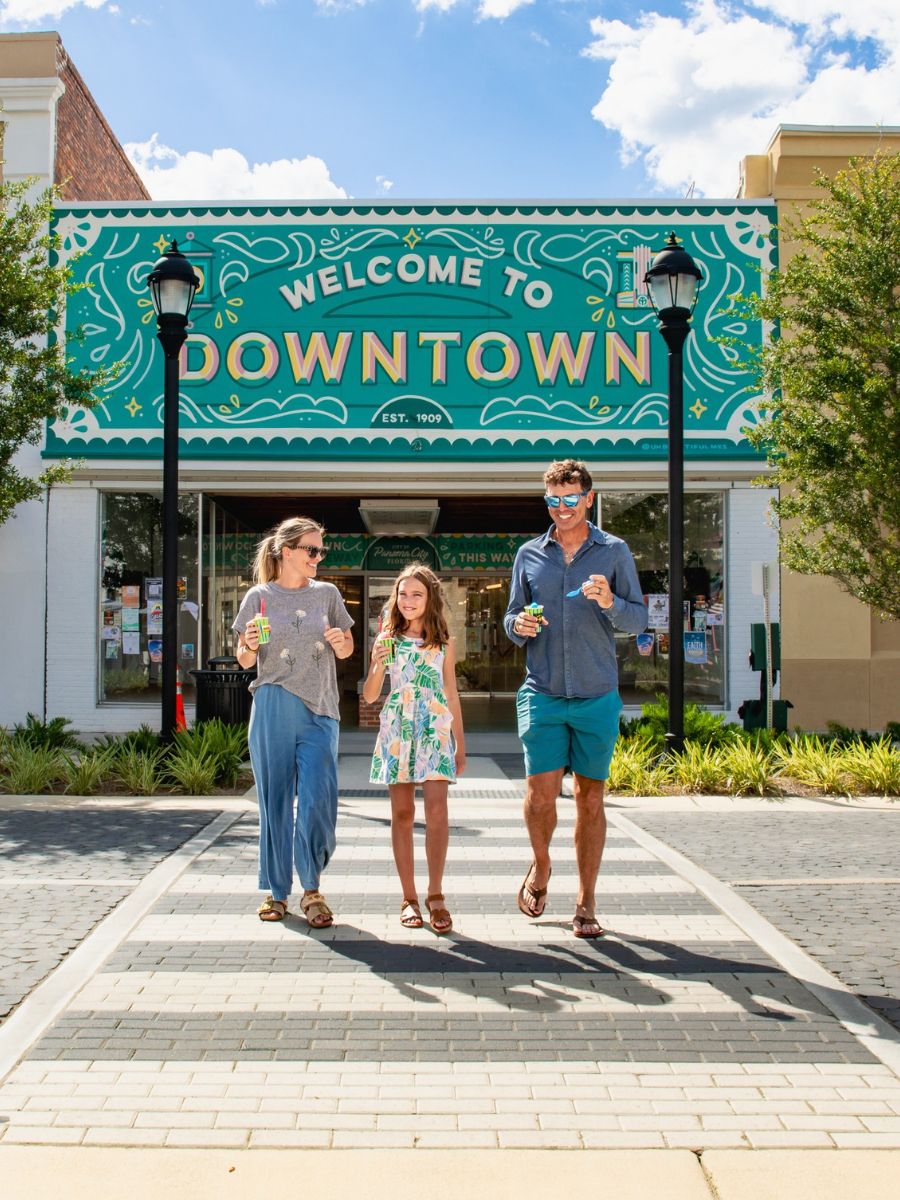
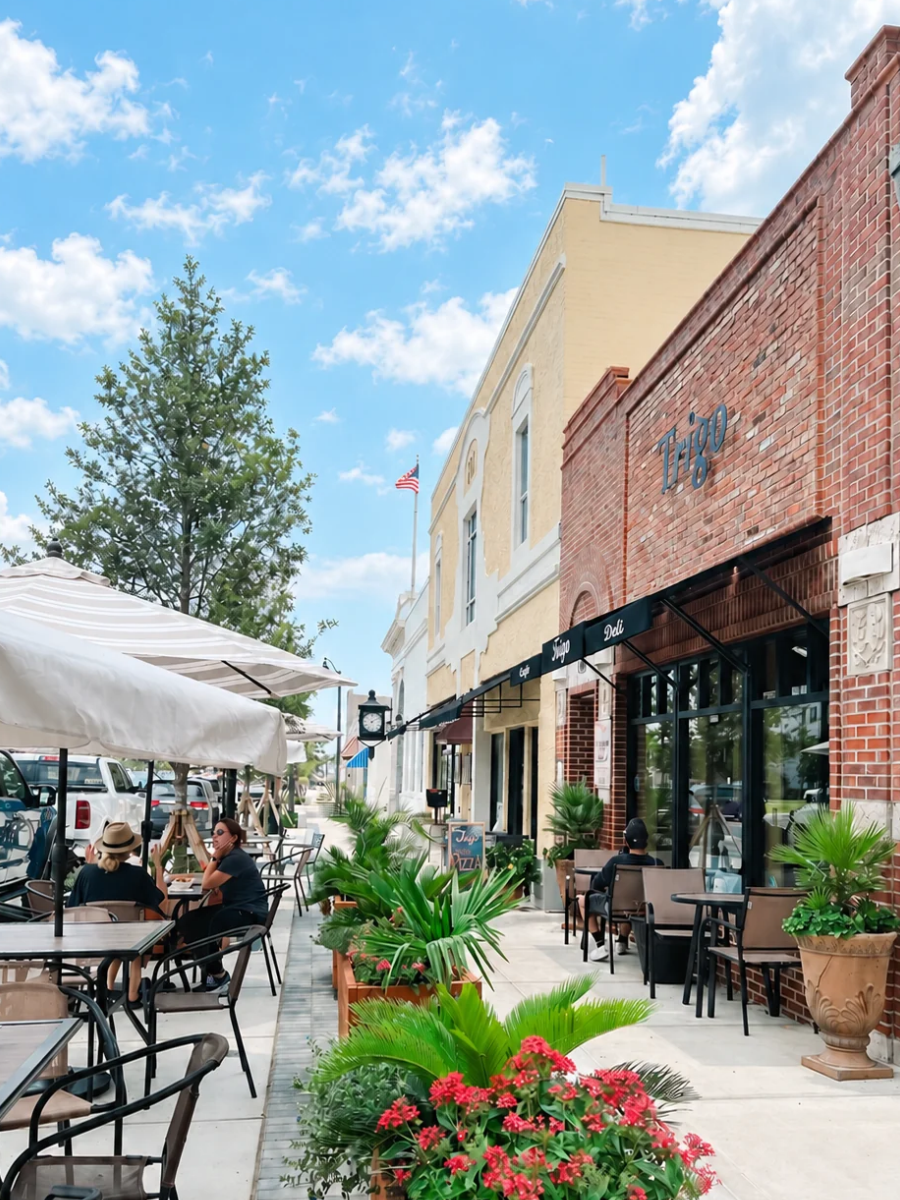
Historic Downtown Panama City has served as a center for business, government and community life for generations. Today, its historic buildings are filled with locally owned restaurants, boutiques, galleries and businesses, allowing visitors to experience the city’s past alongside everything happening Downtown today.
Harrison Avenue runs through the heart of the district, with historic architecture and landmarks throughout the surrounding streets. The Bay County Courthouse connects the neighborhood to a nationally significant chapter of legal history, while the Bay County History Museum preserves photographs, artifacts and stories from Panama City and the surrounding area.
Spend some time wandering beyond the main street, too. Downtown’s historic buildings and longtime landmarks are mixed among newer gathering places, public art and local businesses, giving the district a character shaped by multiple generations of Panama City.
Historic St. Andrews
Set along St. Andrews Bay, Historic St. Andrews grew from a small waterfront community with deep ties to fishing, maritime industries, and the bay. Today, much of that history can still be discovered throughout the neighborhood.
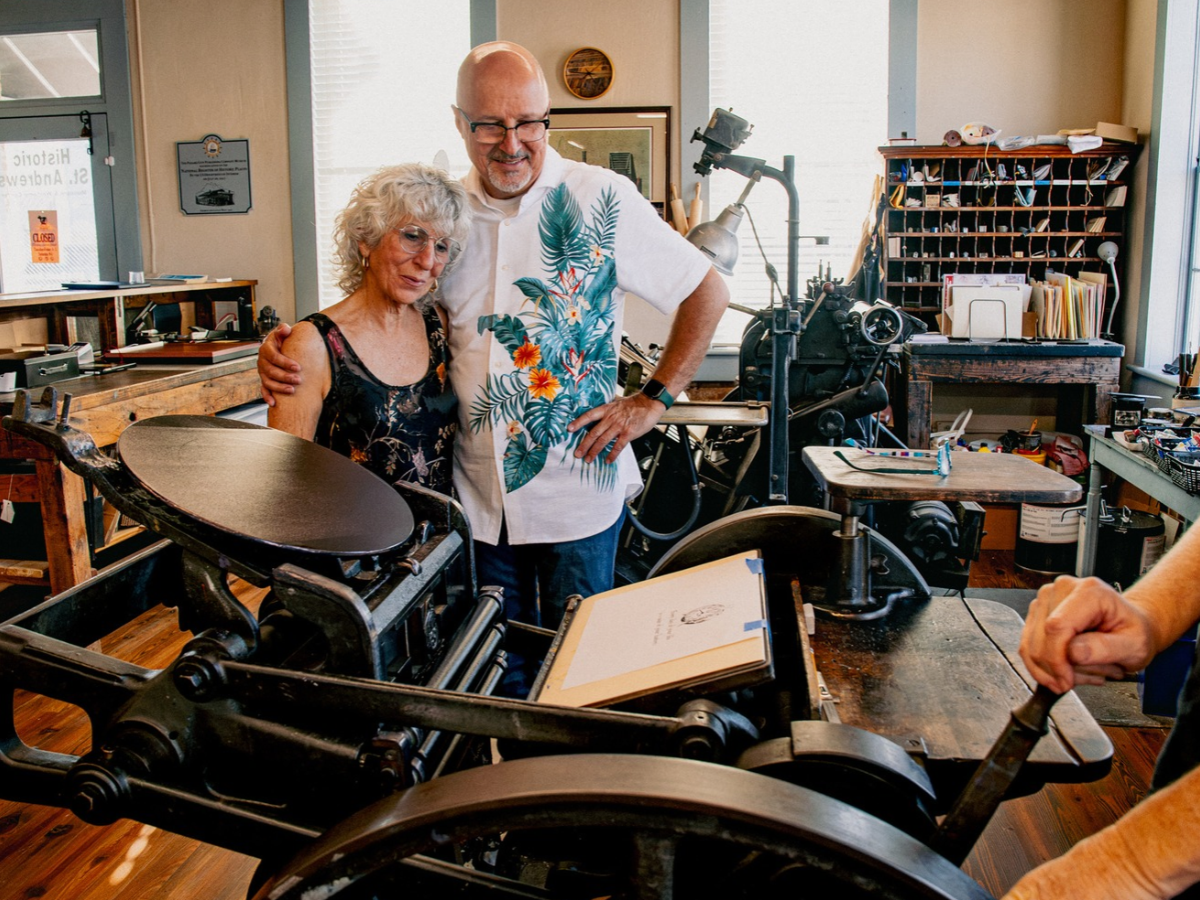
The Panama City Publishing Company Museum offers one of the clearest connections to the neighborhood’s early years. The historic building once housed the community’s newspaper and today preserves antique printing presses, photographs, and artifacts tied to the development of St. Andrews and Panama City.
A few blocks away, Oaks by the Bay Park combines waterfront views with pieces of local history. Walk beneath the Old Sentry, a heritage oak more than 250 years old, and discover the historic salt kettle associated with the area’s Civil War-era salt production.
History even finds its way into the neighborhood’s restaurants. At Uncle Ernie’s Bayfront Grill, the walls are filled with historic photographs and memorabilia that offer a glimpse into St. Andrews’ past. Enjoy fresh seafood overlooking the bay while taking in a little local history.
Continue exploring the neighborhood’s locally owned shops, art galleries, and waterfront streets, where St. Andrews’ maritime heritage remains part of everyday life.
Glenwood
Glenwood has been the heart of Panama City’s African American community for more than a century. During segregation, the neighborhood flourished as a self-sustaining community filled with Black-owned businesses, churches, schools and gathering places. Generations of residents and community leaders built a lasting cultural legacy that remains an important part of Panama City’s history.
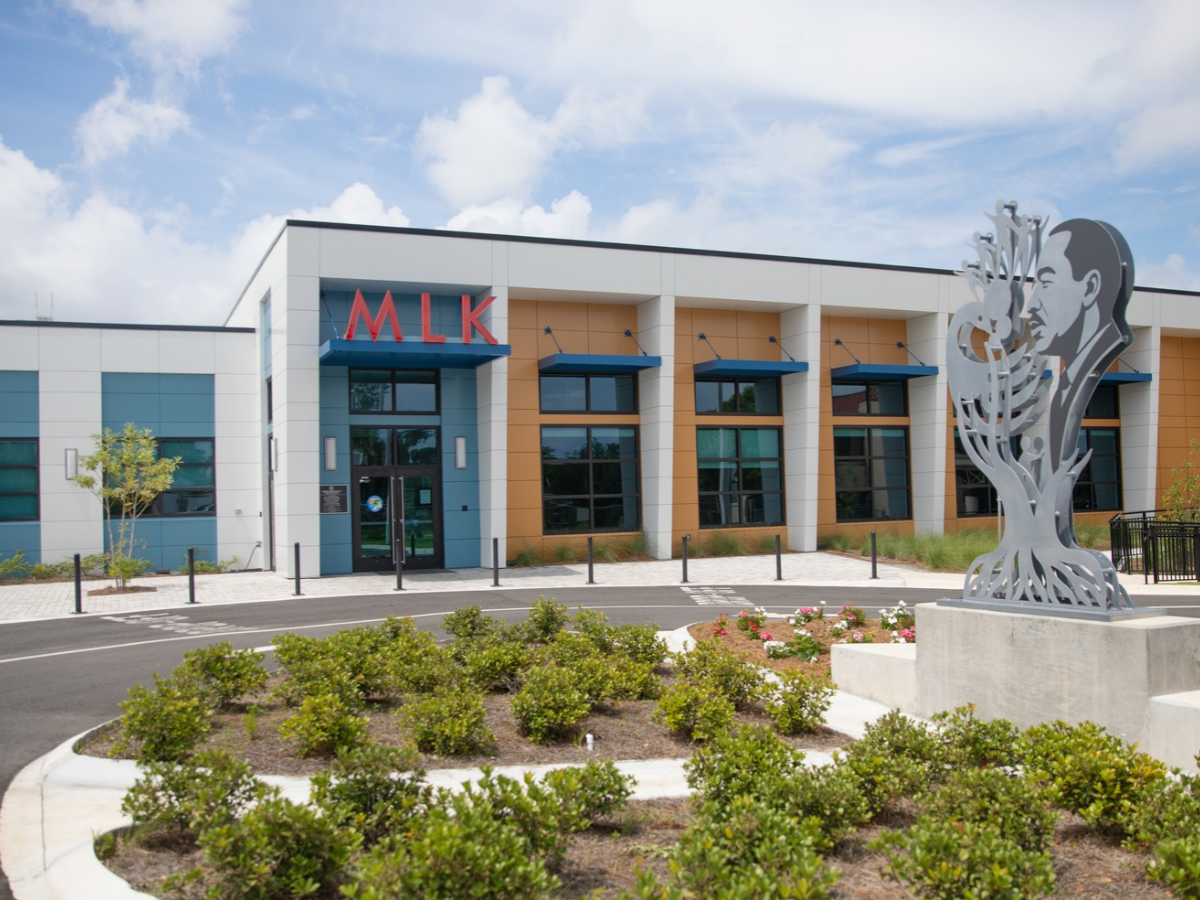
Today, that community spirit continues at the Martin Luther King Jr. Recreation Center, a gathering place for recreational activities, sports and cultural events. Inside the center, you’ll find an unexpected culinary stop at Pressed Panini & Flatbreads, a locally owned restaurant serving creative dishes like jerk-braised oxtail pressed on sourdough.
Throughout the neighborhood, historical markers honor the people, businesses and institutions that helped Glenwood thrive. These landmarks offer a closer look at the neighborhood’s contributions to Panama City and the generations who continue to carry its legacy forward.

Millville
Panama City’s history also stretches east to Millville, a waterfront community shaped by the lumber and maritime industries that helped build the local economy. The neighborhood developed around the St. Andrews Bay Lumber Company, where generations of families lived and worked, establishing a community with deep ties to the bay.
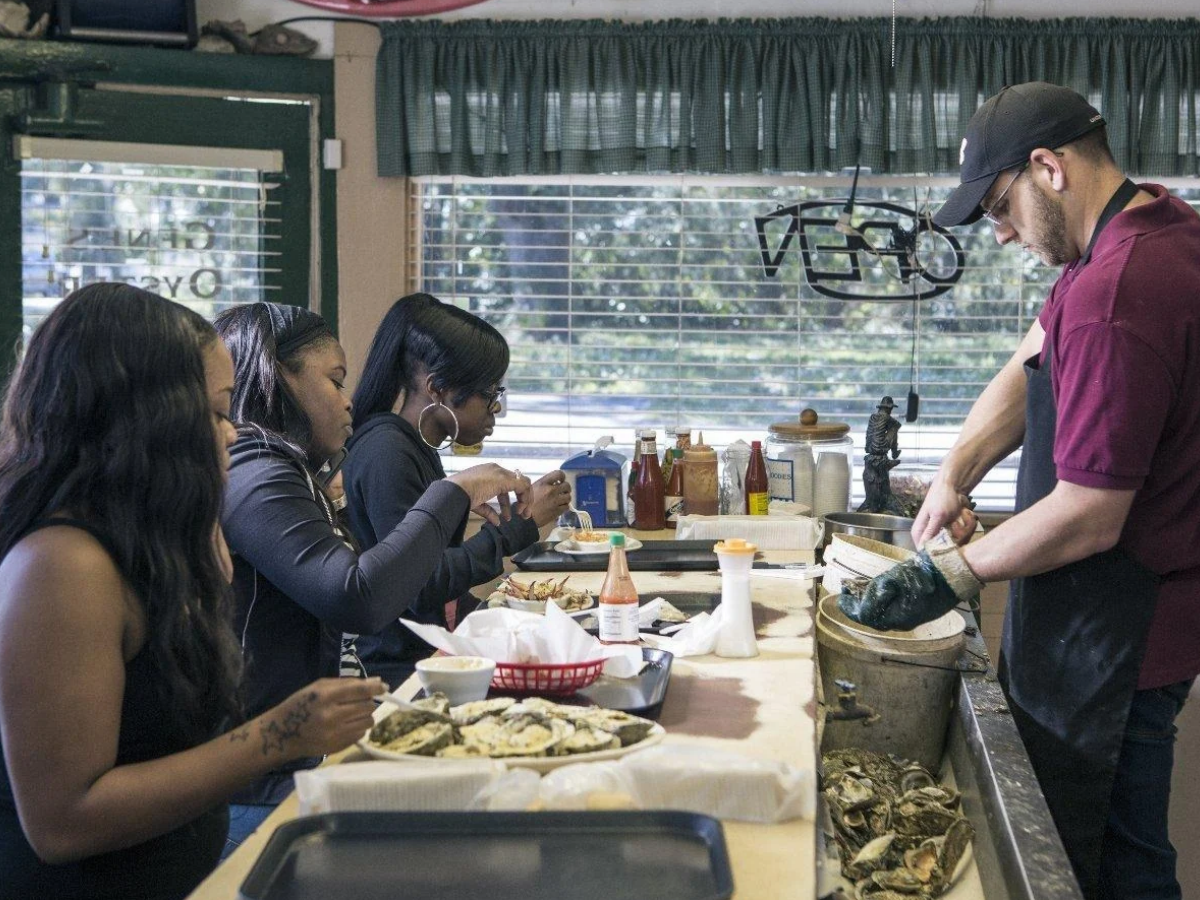
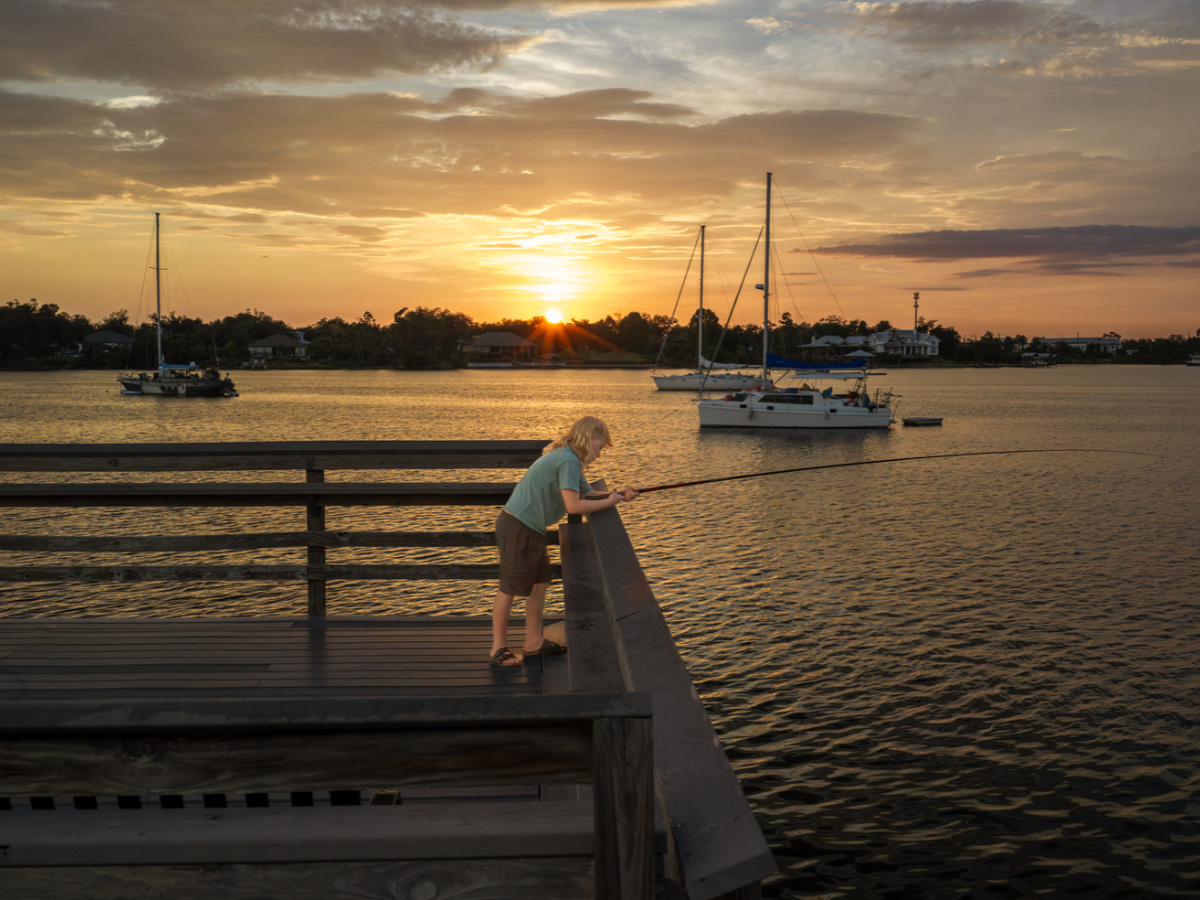
Today, Millville continues to embrace its waterfront roots with local marinas, fishing boats and scenic views of Watson Bayou. Visitors can enjoy the waterfront at Millville Waterfront Park, browse antiques and discover a variety of locally owned restaurants. Among the neighborhood’s longtime favorites is Gene’s Oyster Bar, where fresh oysters have been served around a small counter for generations.
With its working waterfront, local shops and neighborhood restaurants, Millville offers a glimpse into Panama City’s maritime past while giving visitors plenty of reasons to explore its present.
Follow Panama City’s Historic Walking Tours
After getting to know the neighborhoods, go deeper with Panama City’s historic walking tours.
Self-guided experiences on Otocast are available for Downtown, Historic St. Andrews and Glenwood, allowing you to explore on your own schedule. Each route connects significant buildings, landmarks, people and events with audio stories and additional historical context.
Choose a single neighborhood for an afternoon or make the tours part of a longer stay and experience each one separately. All you need is your phone and a little time to explore.
Visit Panama City Museums
For stories that deserve more than a quick stop, Panama City’s museums offer a closer look at the people, cultures and events behind the city you see today.
In Historic St. Andrews, the Panama City Publishing Company Museum preserves the history of the area’s early newspaper publishing and the people who documented a growing community. Antique printing presses and other artifacts remain inside the historic building.
Also in St. Andrews, the Native Spirit Museum & Gallery explores Indigenous history, art and culture through a collection of artifacts and artwork that highlight the heritage and traditions of Indigenous peoples..
Downtown, the Bay County History Museum covers a broader range of local history through exhibits, photographs, documents and collections connected to Panama City and Bay County.
Each museum offers a different perspective on the area’s past and can easily be incorporated into a day exploring Panama City’s historic neighborhoods.
Visit Panama City’s Stop on the U.S. Civil Rights Trail
One of Panama City’s most nationally significant historic sites stands in the heart of Downtown.
The Bay County Courthouse is an official stop on the U.S. Civil Rights Trail for its connection to Gideon v. Wainwright. In 1961, Clarence Earl Gideon appeared in the courthouse after being charged with a felony and requested a court-appointed attorney because he could not afford one. His request was denied under Florida law at the time.
Gideon appealed his case from prison, eventually reaching the U.S. Supreme Court. In 1963, the Court unanimously ruled that states are required to provide attorneys to defendants who cannot afford one in felony criminal cases, fundamentally changing the right to legal counsel in the United States.
The courthouse remains in use today, connecting an active part of Panama City with a case that became part of American legal history.
Find Pieces of the Past on the Panama City Mural Trail
The Panama City Mural Trail includes artwork throughout the city, and several pieces offer another way to discover local history.
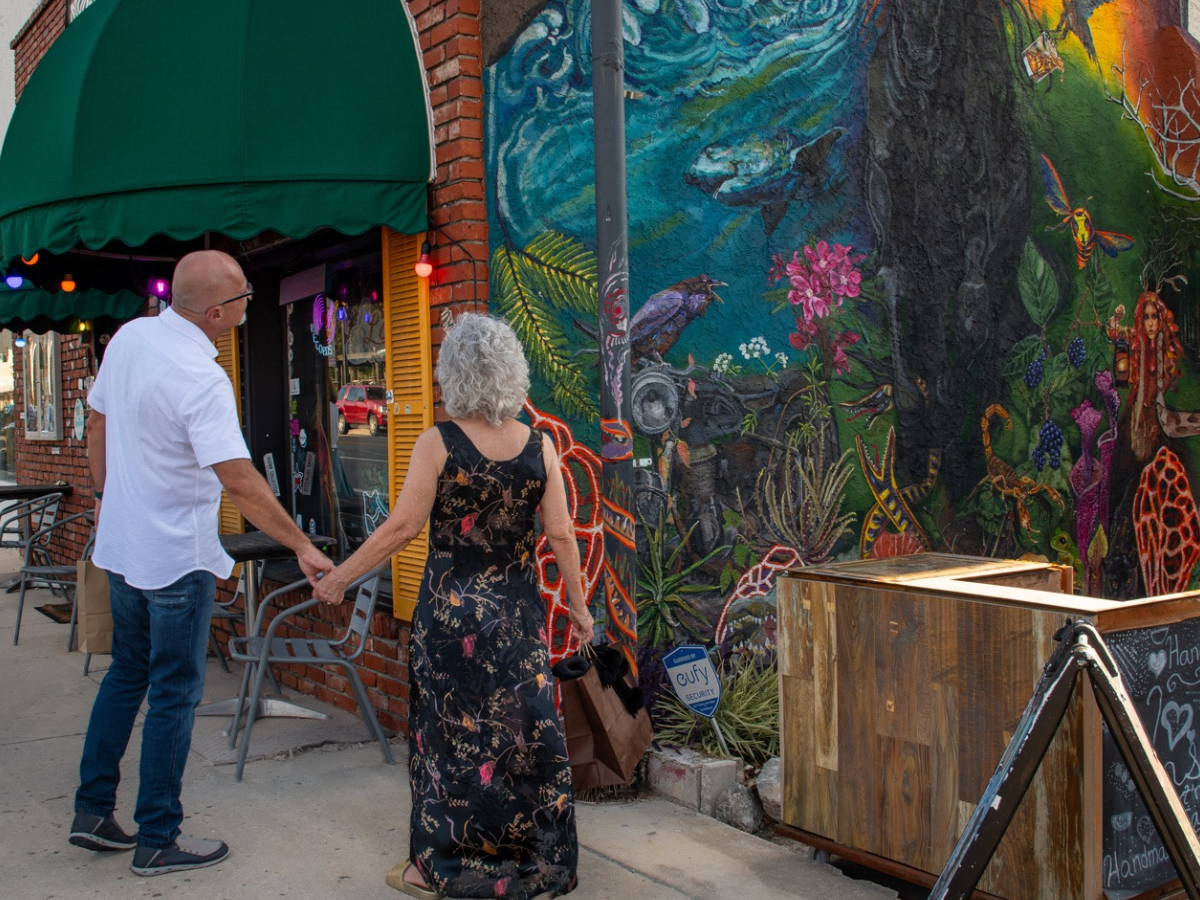
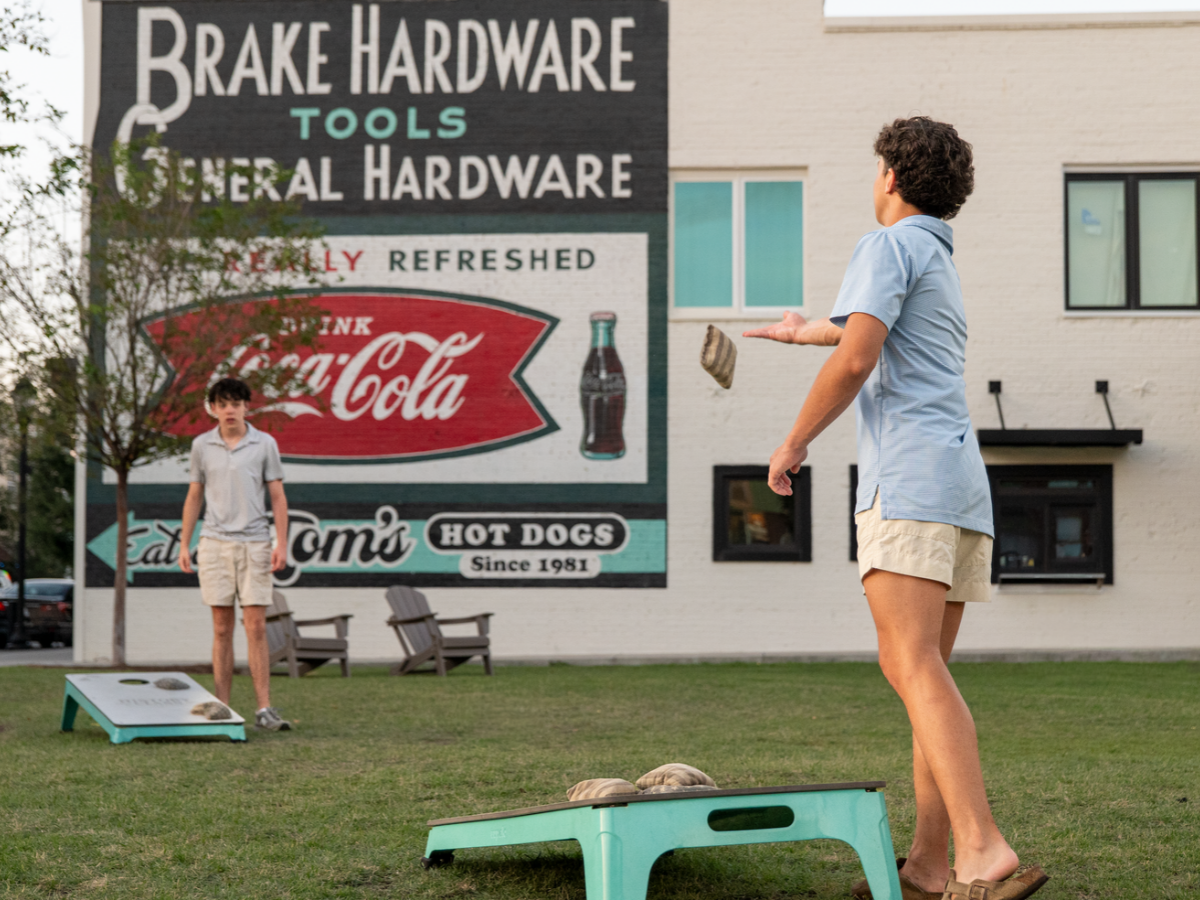
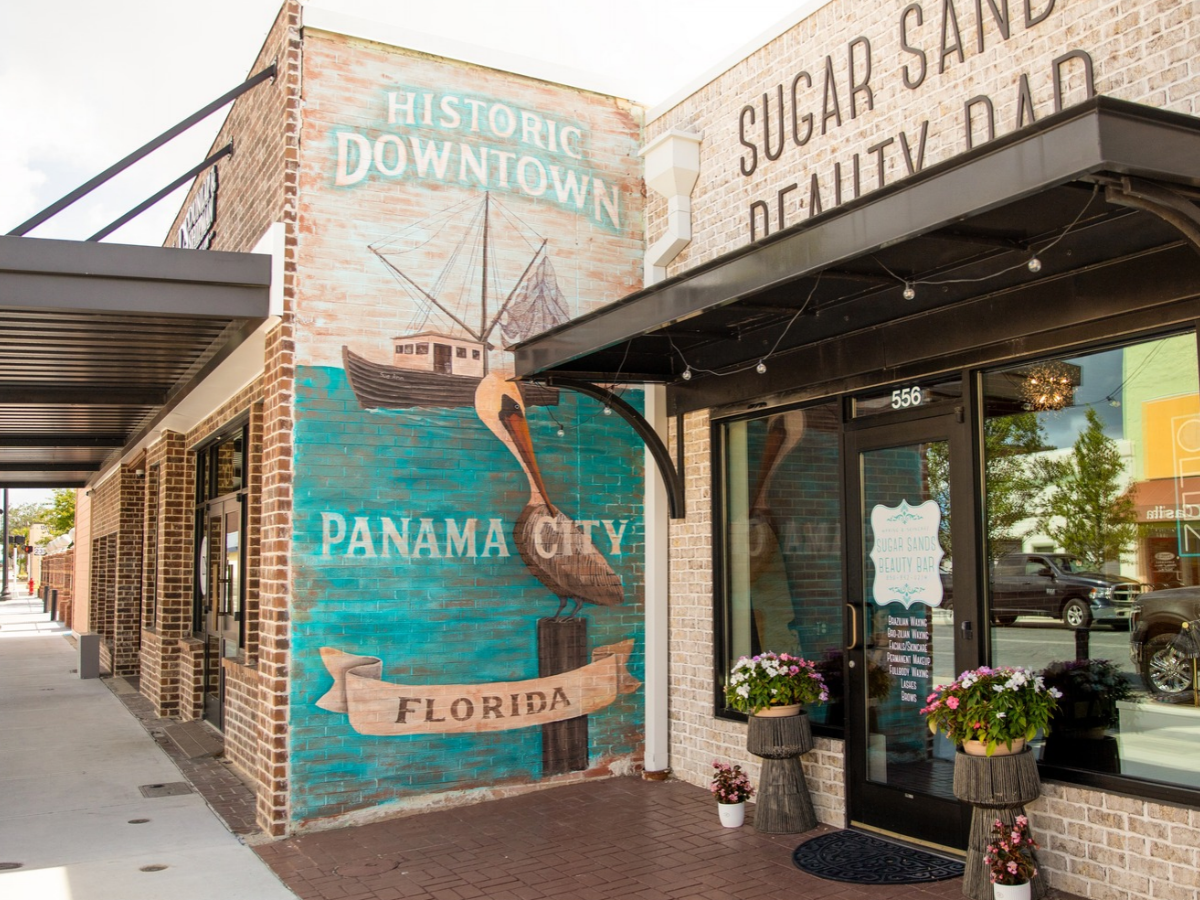
Downtown, a restored Coca-Cola mural recalls an earlier era of advertising painted directly onto commercial buildings. Other works across Panama City draw inspiration from local landmarks, people, wildlife and community stories. Following the trail adds a visual layer to the history found throughout the city while introducing the artists helping tell Panama City’s story today.
Plan Your Visit to Panama City
Exploring Panama City’s historic sites can fill much more than a single afternoon. Spend time in each neighborhood, visit the museums, follow an Otocast tour and leave room for the restaurants, shops, galleries and waterfront spaces you discover along the way.
Make Panama City your home base for a few days and experience more of the stories that shaped the city.
Find Places to Stay in Panama City
Frequently Asked Questions About Historic Sites to Visit in Panama City, Florida
What are the best historic sites to visit in Panama City, Florida?
Panama City has historic buildings, museums, parks, murals and historical markers throughout its neighborhoods. Historic Downtown, St. Andrews and Glenwood are especially good places to explore local history, with free self-guided Otocast tours available for all three.
What historic neighborhoods are in Panama City, Florida?
Panama City has four historic neighborhoods: Downtown Panama City, Historic St. Andrews, Glenwood and Millville. Each has its own history and character.
Can I combine sightseeing, shopping and dining while exploring Panama City’s history?
Yes. Panama City’s historic neighborhoods are home to locally owned restaurants, boutiques, antique shops, galleries and waterfront attractions. Visitors can spend the morning exploring historic landmarks, enjoy lunch at a neighborhood restaurant and continue their afternoon browsing shops or visiting museums.
How much time should I plan to explore Panama City’s historic neighborhoods?
Visitors can explore individual historic neighborhoods in a few hours, with time to visit museums, browse local shops and enjoy waterfront dining. For a more complete experience, plan a full day or weekend to discover Downtown, Historic St. Andrews, Glenwood and Millville.
What are the best historical attractions for families in Panama City?
Families can explore Panama City’s history through interactive museum visits, self-guided walking tours, colorful murals and waterfront parks. The Panama City Publishing Company Museum, Bay County History Museum and historic neighborhood trails offer opportunities for children and adults to discover local history together.
Are there historic walking tours in Panama City, Florida?
Yes. Panama City has free self-guided walking tours for Historic Downtown, Historic St. Andrews and Glenwood.
Are there historic murals in Panama City?
Yes. Panama City features murals inspired by local history, culture and community traditions. Visitors can discover historic artwork, including vintage Coca-Cola murals, alongside contemporary public art throughout the city’s neighborhoods. The Panama City Mural Trail is a great starting point for exploring these works.
What historic neighborhoods should I explore in Panama City, Florida?
Panama City has four historic neighborhoods: Historic Downtown, Historic St. Andrews, Glenwood and Millville. Visitors can explore historic architecture and local shops Downtown, discover maritime history in St. Andrews and Millville, and learn about African American heritage in Glenwood.
What museums in Panama City focus on local history?
The Panama City Publishing Company Museum in Historic St. Andrews and the Bay County History Museum in Downtown Panama City offer opportunities to explore the area’s history, from its early development to the people and industries that helped shape the community. The Native Spirit Museum & Gallery explores Indigenous history, art and culture through a collection of artifacts and artwork that highlight the heritage and traditions of Indigenous peoples.
Are there free historical attractions in Panama City, Florida?
Yes. Visitors can explore Panama City’s historic neighborhoods, follow self-guided walking tours, discover historical markers and visit waterfront parks at no cost. The city’s Mural Trail also offers a free way to experience public art, including murals that celebrate local heritage.
Where can I learn about African American history in Panama City?
Glenwood is an important place to explore Panama City’s African American history. The Glenwood Historical Marker Trail includes 16 markers documenting people, places and stories connected to the neighborhood, with additional narration available through Otocast.
Where can I learn about Panama City’s maritime history?
Historic St. Andrews and Millville offer opportunities to discover Panama City’s maritime heritage. Both neighborhoods developed around the bay, with fishing, boatbuilding, lumber transportation and maritime commerce contributing to the local economy. Today, their marinas, waterfront parks and historic landmarks offer a connection to that past.